

Under the guidance of the China Civil Engineering Society (CCES) and hosted by the Harbin Institute of Technology (HIT), the inaugural meeting of the Urban Engineering Catastrophe Resilience Subcommittee of CCES, along with the first Urban Engineering System Catastrophe Resilience Innovation Forum, was held in Harbin.
The event was jointly organized by the School of Civil Engineering at HIT and the Institute of Engineering Mechanics of the China Earthquake Administration. Li Jiqin, secretary-general of CCES, read the approval decision for the establishment of the subcommittee.
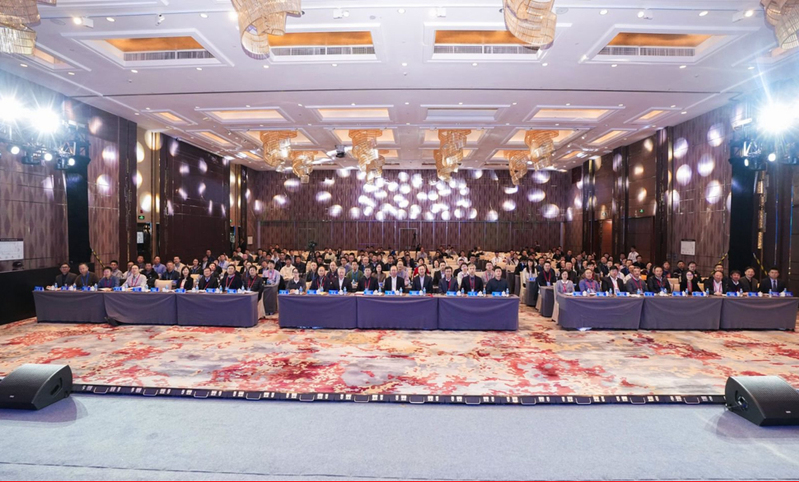
The inaugural meeting. [Photo/hit.edu.cn]
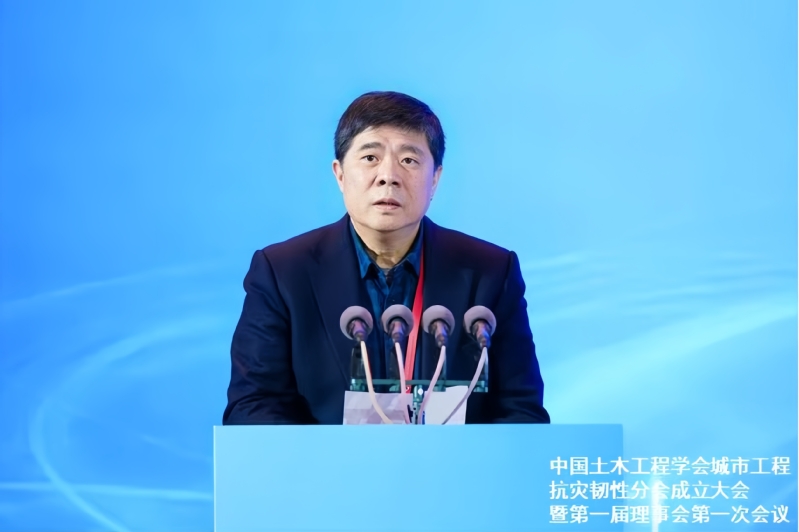
Yi Jun, vice-chairman of the CPPCC Committee on Population, Resources and Environment, stated that the establishment of the subcommittee is significant to serve national strategies, build resilient cities, and align with the high-quality development of industries. He hoped the subcommittee would promote deep integration and transformation of research, industry, and application, and create an open cooperative platform across disciplines and fields, focusing on major scientific and technological issues and key technical challenges in the field of urban engineering catastrophe resilience.

Yi Jun delivers a speech. [Photo/hit.edu.cn]
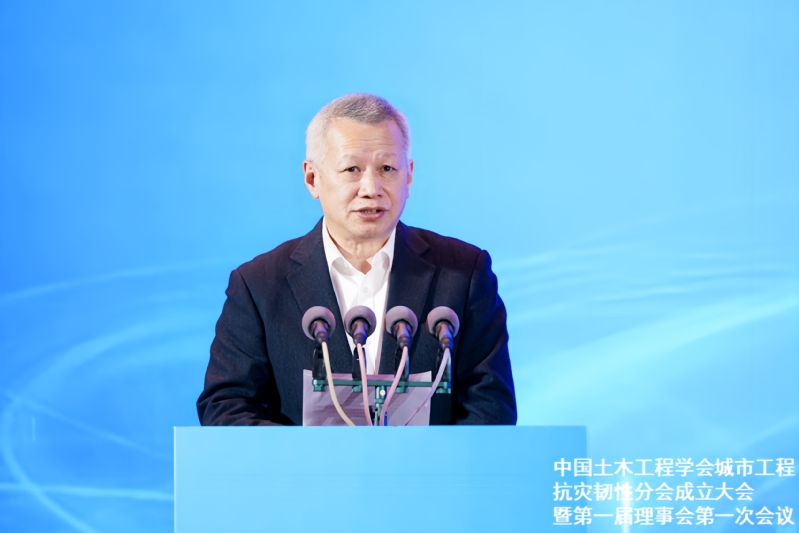
Du Xiuli, an academician from Beijing University of Technology, said that the subcommittee would serve the construction of resilient cities, drive the transformation of engineering construction paradigms through theoretical innovation, and lead future technological development with a long-term perspective, enhancing China's innovation capacity and engineering level in urban engineering catastrophe resilience.
Du Xiuli delivers a speech. [Photo/hit.edu.cn]
Fan Feng, vice-president of HIT, stated that HIT would support the construction of the subcommittee relying on its strengths in urban catastrophe prevention and mitigation. By relying on national and provincial key laboratories and other platforms, the university aims to build a collaborative innovation system that integrates research, industry, and application, promoting deep integration of frontier theories and engineering practices, and accelerating breakthroughs in key core technologies in the field of urban engineering catastrophe resilience.
Fan Feng delivers a speech. [Photo/hit.edu.cn]
The conference elected the first council members, executive council members, and leadership of the Urban Engineering Catastrophe Resilience Subcommittee. Du was elected as the first chairman of the subcommittee, while 16 experts, including Professor Duan Zhongdong from HIT's Shenzhen campus, were elected as vice-chairmen. Professor Zhai Changhai from HIT's School of Civil Engineering was elected as vice-chairman and secretary-general, and Professor Li Shuang from the same school was elected as deputy secretary-general.
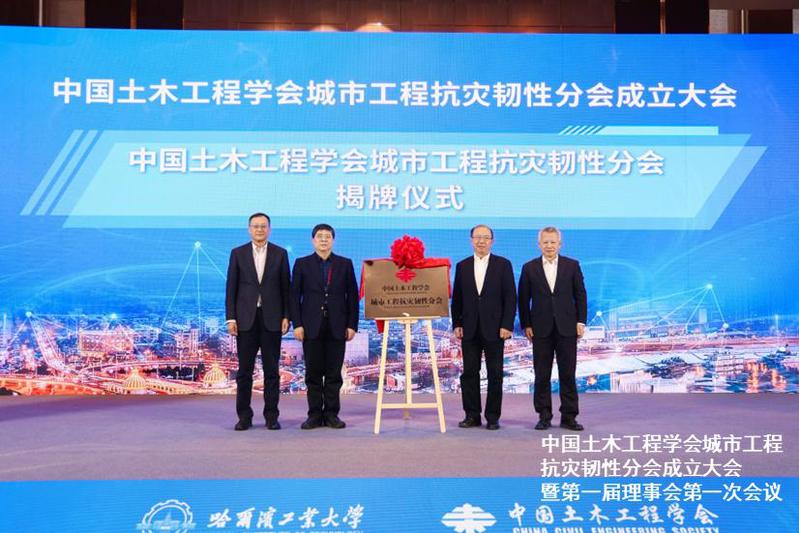
Yi Jun, Li Jiqin, Du Xiuli, and Fan Feng jointly unveil the plaque for the Urban Engineering Catastrophe Resilience Subcommittee of the China Civil Engineering Society. [Photo/hit.edu.cn]
The Urban Engineering System Catastrophe Resilience Innovation Forum featured a main forum and four specialized forums, with six experts, including Professor Duan, delivering keynote reports. Over 360 experts and scholars from 66 universities, 14 research institutes, and 40 enterprises attended the forum.
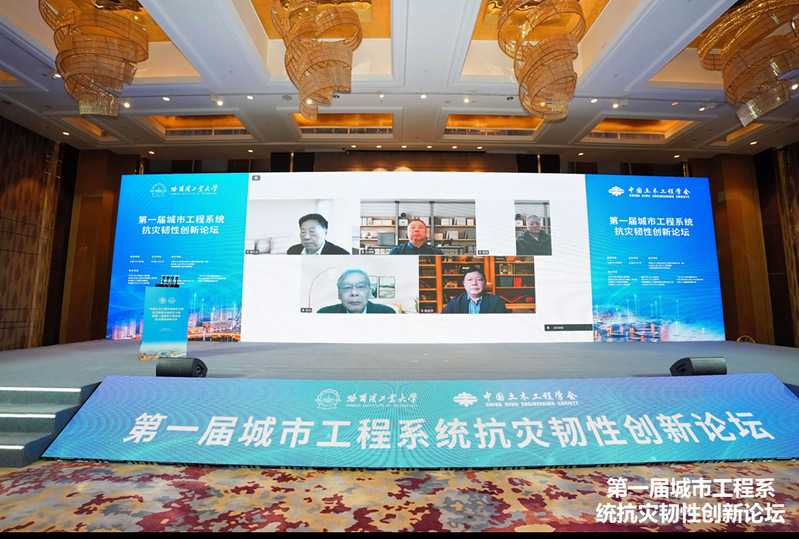
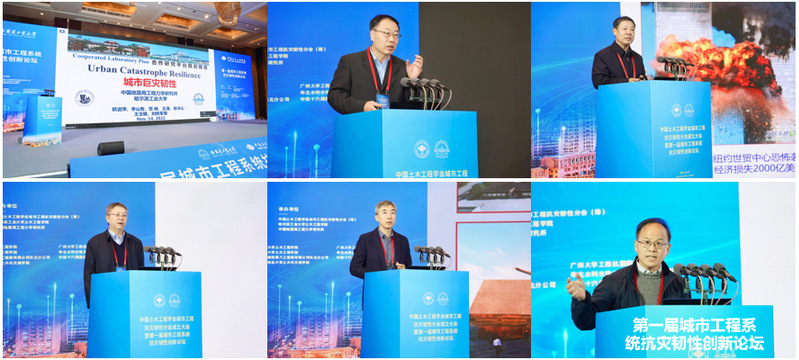
The innovation forum. [Photo/hit.edu.cn]
Editor: Yang Wenyu