

Professor Han Lei, Associate Professor Li Lifeng, and Associate Professor Wang Bo from the School of Energy Science and Engineering (SESE) at Harbin Institute of Technology (HIT) visited Brazil to attend the 30th session of the Conference of the Parties (COP30) to the United Nations (UN) Framework Convention on Climate Change and conducted a visit to the University of São Paulo.
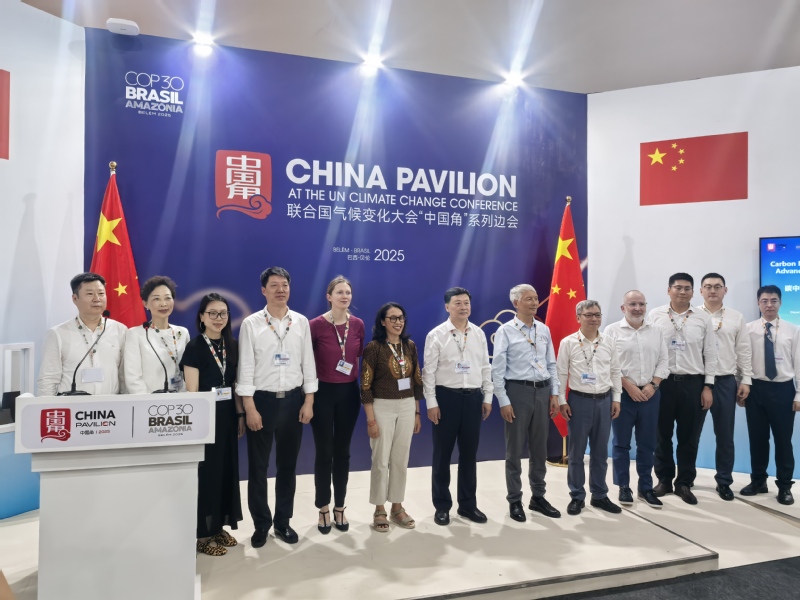
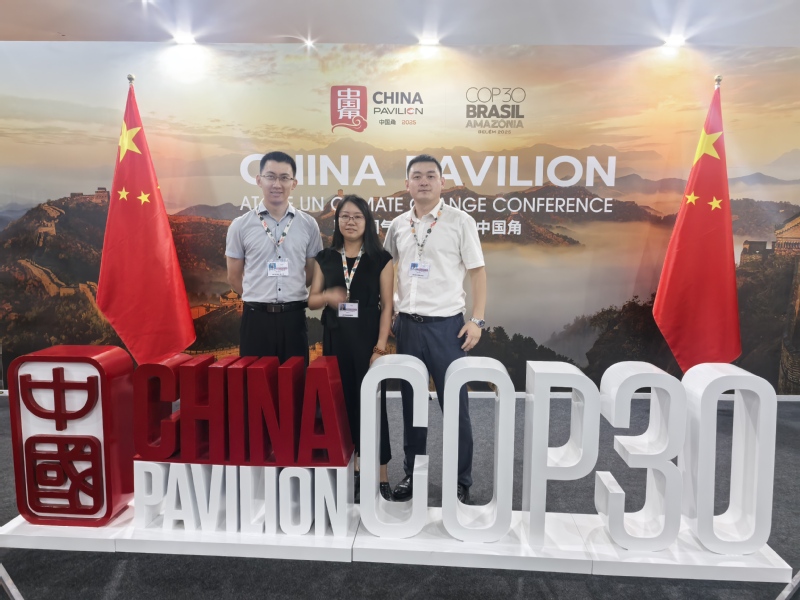
The delegation participates in COP30. [Photo/hit.edu.cn]
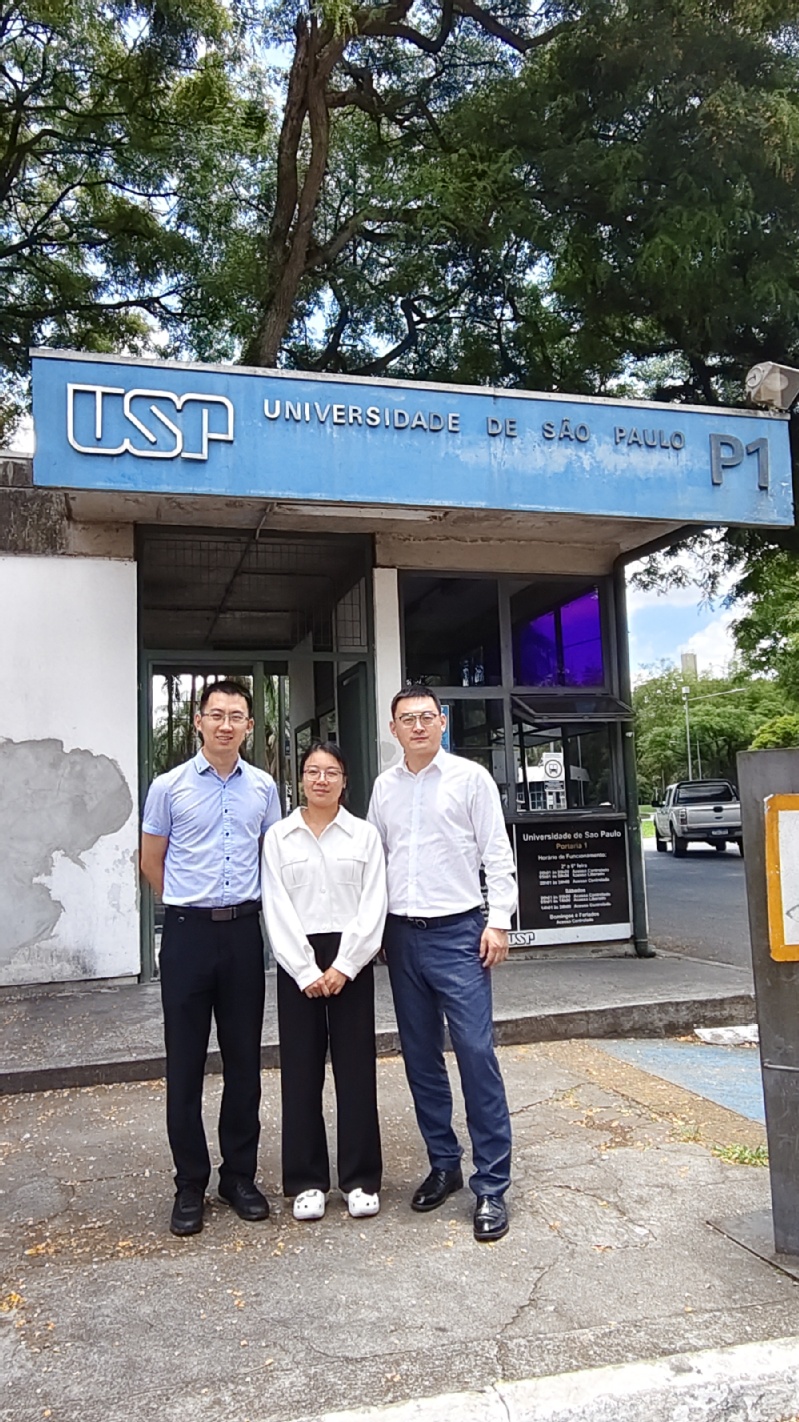
The delegation visits the University of São Paulo. [Photo/hit.edu.cn]
As the highest-level and most broadly representative decision-making platform for global climate action under the UN framework, COP30 brought together leaders and experts from governments, international organizations, and academic institutions worldwide.
During the conference, the SESE delegation was invited to deliver a featured presentation at the China Pavilion, sharing HIT's cutting-edge research in addressing climate change, covering core areas such as energy efficiency and low-carbon technology R&D. They also participated in multiple side events and seminars to stay abreast of the latest trends in global climate governance, engaging in in-depth discussions with international scholars on topics including technological synergy and research collaboration pathways underpinning carbon peaking and carbon neutrality goals.
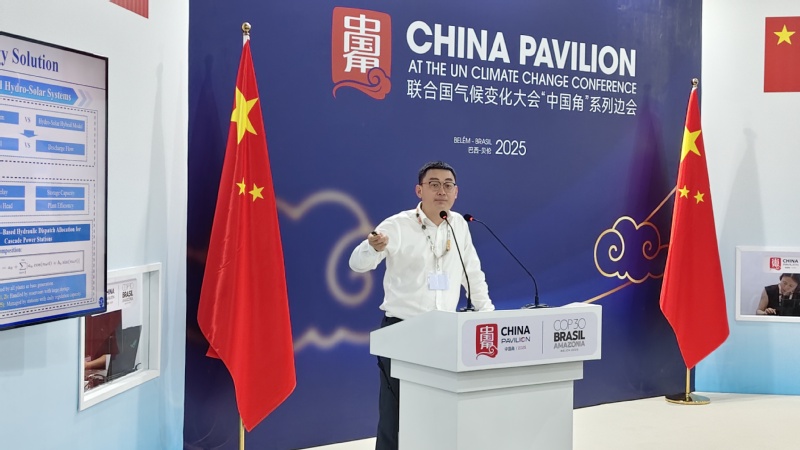
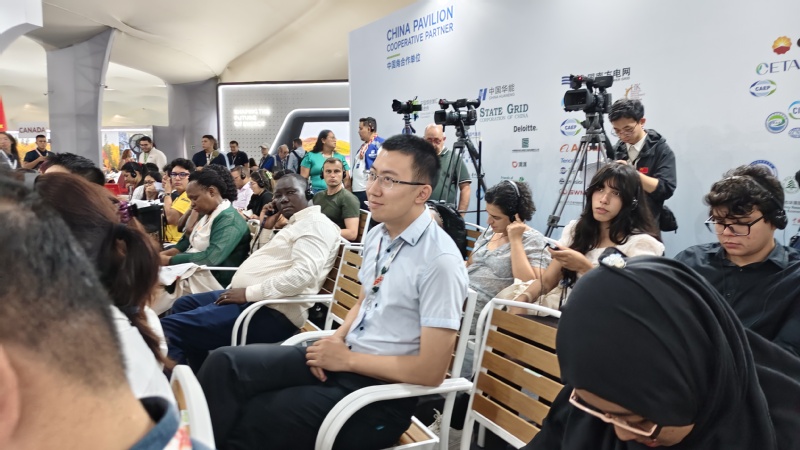
The delegation delivers a featured presentation to international partners at COP30. [Photo/hit.edu.cn]
The delegation also visited the University of São Paulo, where both sides presented their respective disciplinary strengths and research features. Building on the shared mission of the BRICS nations, they reached a preliminary consensus on potential areas of collaboration, including joint research, personnel exchanges, and student co-supervision. The HIT delegation also toured the university's advanced laboratories, identifying specific potential entry points for future collaborative research, innovation, and joint technological development.
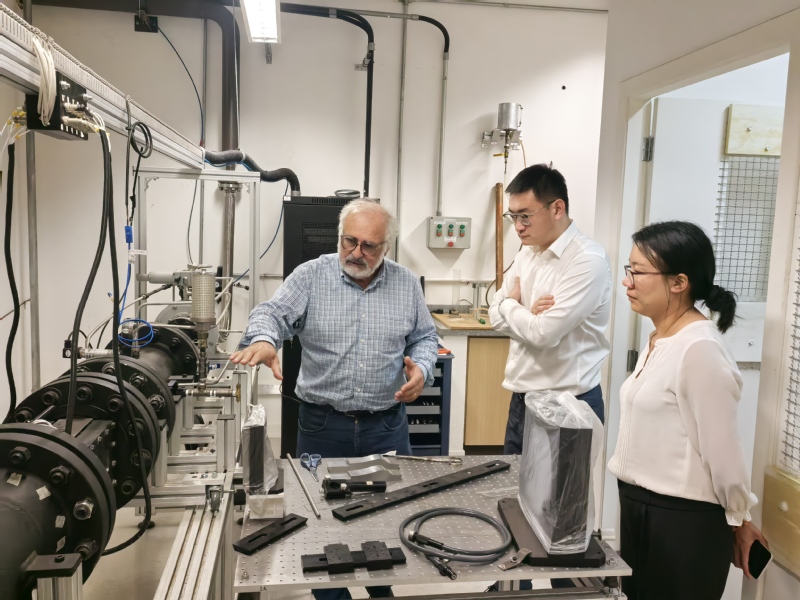
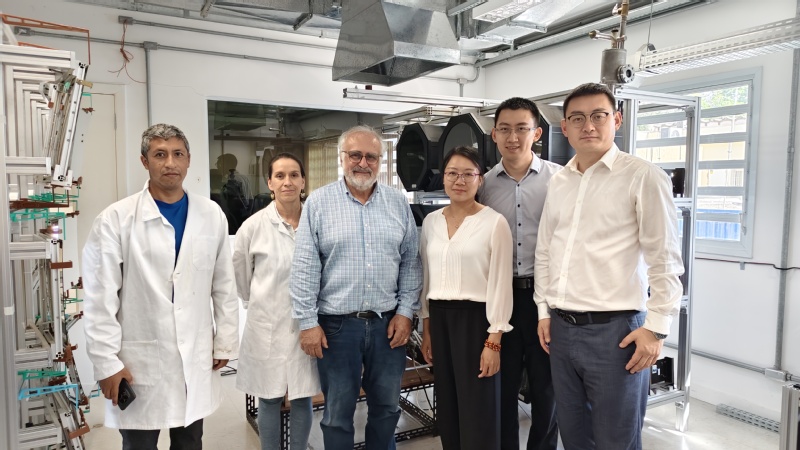
The delegation visits laboratories at the University of São Paulo. [Photo/hit.edu.cn]
The delegation's visit to Brazil demonstrated the active role of HIT faculty in global environmental governance and, by establishing a bridge for research collaboration with a leading Brazilian university, represented a concrete step in implementing the BRICS education and cooperation initiative. It also laid a solid foundation for broader and deeper international industry-university-research cooperation in climate change and related fields, fostering scientific collaboration and friendly relations between the two institutions and, by extension, the two countries.