

The Innovative Forum on In-Situ Lunar Independent Intelligent Manufacturing Basic Research, guided by the Interdisciplinary Science Department of the National Natural Science Foundation of China and hosted by the Harbin Institute of Technology (HIT), was held at HIT on Jan 17. The event gathered over 10 academicians from the Chinese Academy of Sciences and the Chinese Academy of Engineering, along with more than 100 experts, scholars, and students, to discuss the cutting-edge scientific issue of In-Situ Lunar Independent Intelligent Manufacturing and its alignment with national strategic needs.
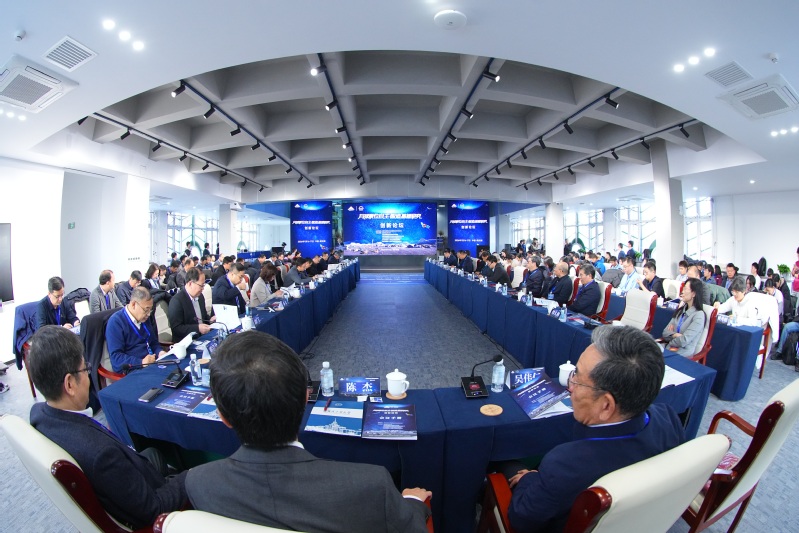
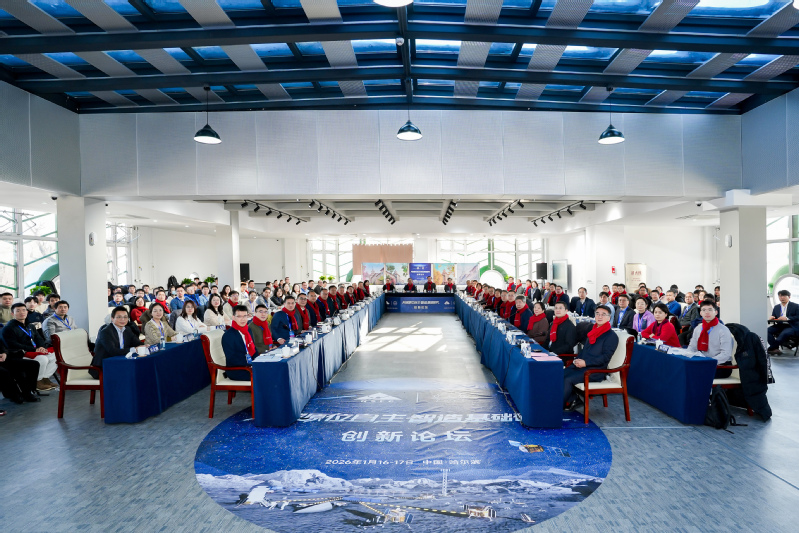
The forum' opening ceremony. [Photo/hit.edu.cn]
Fu Xuefeng, deputy director of the Interdisciplinary Science Department, emphasized that since its inception, the department has focused on major, complex scientific problems and coordinated research aligned with national strategic needs and emerging frontiers. As China's manned lunar mission enters a critical stage, HIT's proposal for In-Situ Lunar Independent Intelligent Manufacturing is of immense significance. He hopes that the forum would refine key scientific questions and lay a solid foundation for future research projects.
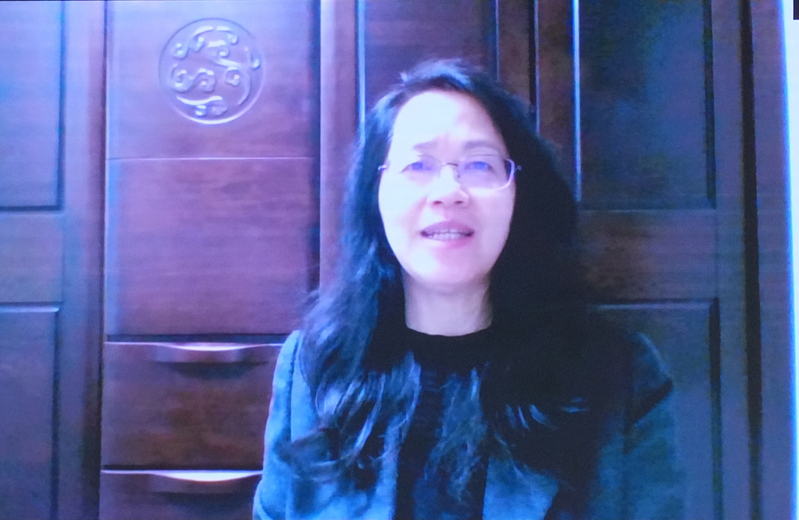 Fu Xuefeng delivers a video address. [Photo/hit.edu.cn]
Bao Weimin, director of the Science and Technology Committee of China Aerospace Science and Technology Corporation, highlighted that the lunar exploration program is a major strategic decision by the CPC Central Committee. In-Situ Lunar Independent Intelligent Manufacturing is a critical technology with significant strategic and scientific value. With increasing international competition in lunar exploration, China must seize the initiative and advance its research plans to ensure it benefits from the use of lunar resources.
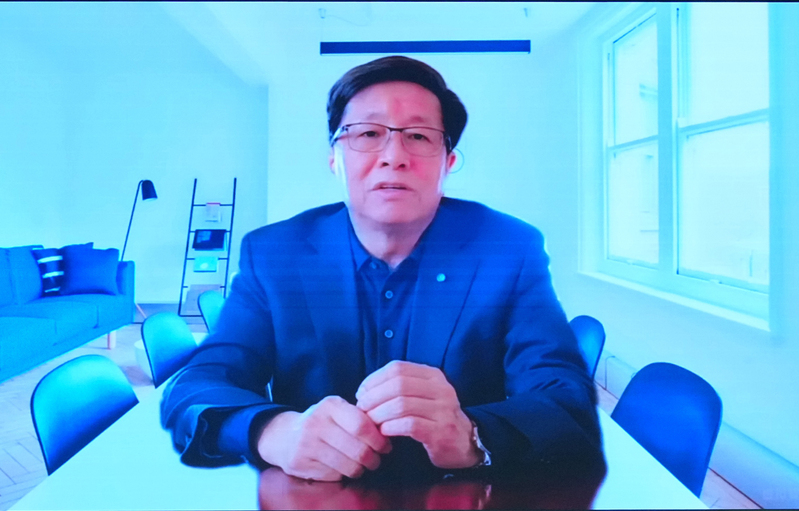 Bao Weimin delivers a video address. [Photo/hit.edu.cn]
Wu Weiren, director of the Deep Space Exploration Laboratory, discussed the challenges and tasks facing China's deep space exploration efforts from multiple perspectives. He stressed the importance of developing deep space resources and the need for top-level strategic research in collaboration with leading institutions. The HIT forum focused on In-Situ Lunar Independent Intelligent Manufacturing, providing theoretical support for manned lunar missions and aiding China's transition from a space power of quantity to one of quality.
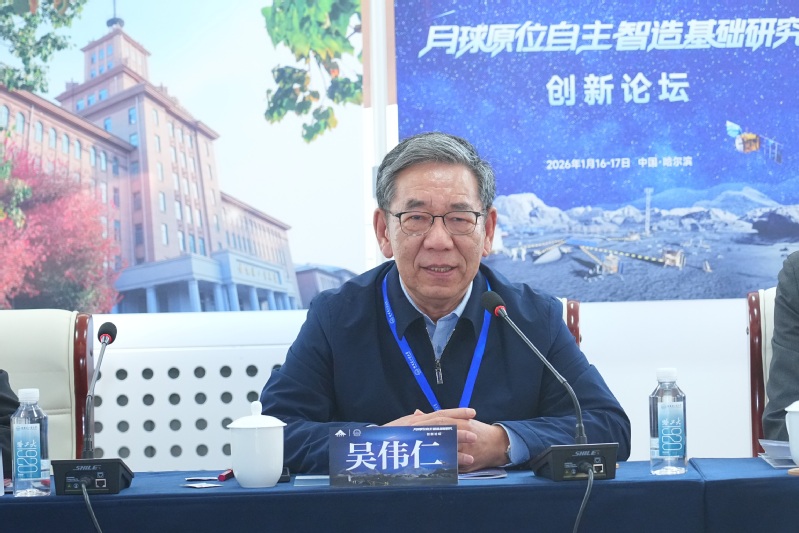 Wu Weiren delivers an address. [Photo/hit.edu.cn]
HIT President Han Jiecai stated that the university has always worked to align itself with the development of China's aerospace industry, contributing by cultivating talent and supporting major aerospace projects. The forum aimed to implement the strategic deployments of the 20th CPC National Congress, focusing on core challenges in In-Situ Lunar Independent Intelligent Manufacturing. Through discussions among experts, the forum sought to drive lunar exploration projects, plan future strategies, and foster innovation, opening new chapters in China's deep space exploration.
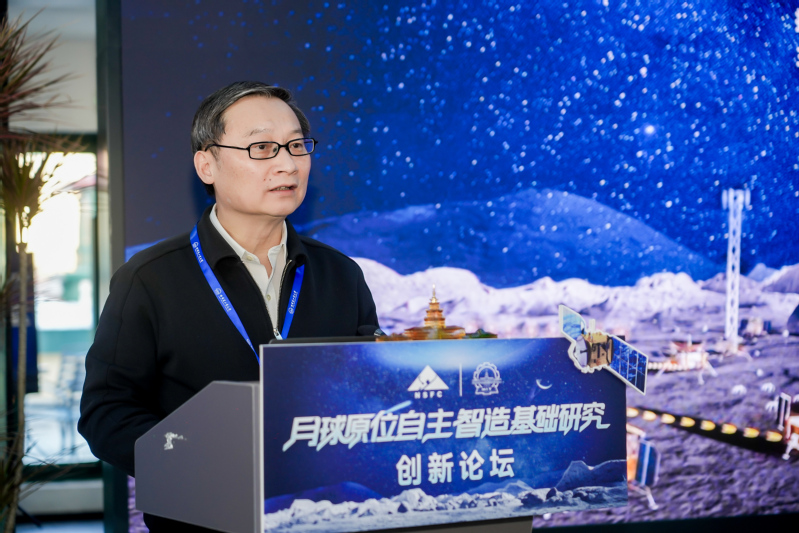 Han Jiecai delivers an address. [Photo/hit.edu.cn]
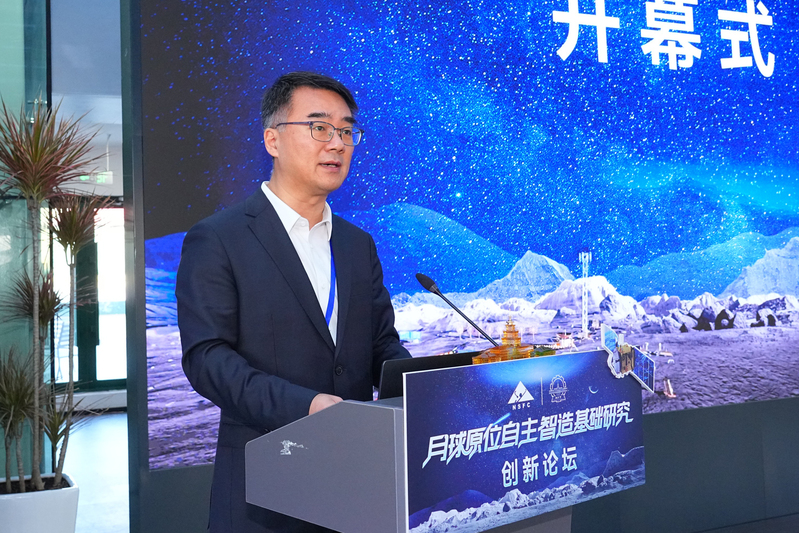 HIT Vice-President Liu Jian hosts the forum's opening ceremony. [Photo/hit.edu.cn]
Academicians Chen Jie, Ding Lieyun, Zhu Meifang, Yang Hong, Guo Lei, Tong Xiaohua, and Mei Hongyuan delivered keynote reports, while HIT academicians Deng Zongquan, Duan Guangren, and Li Hui chaired the report sessions.
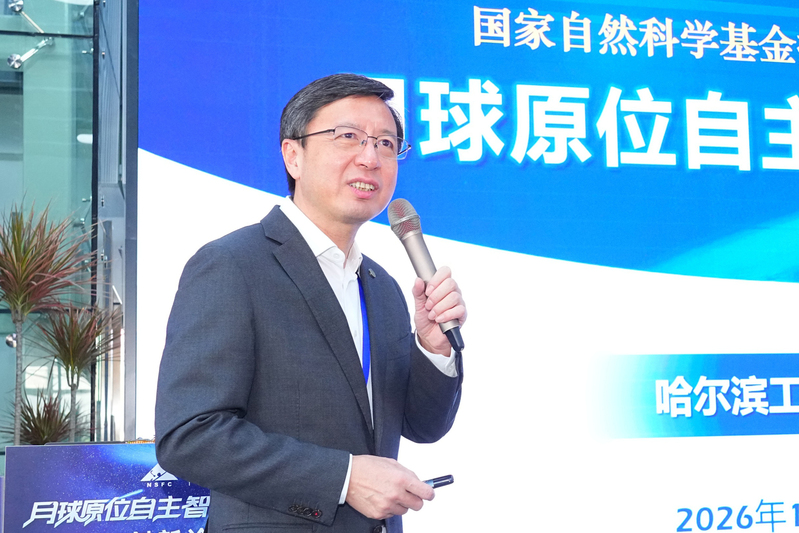
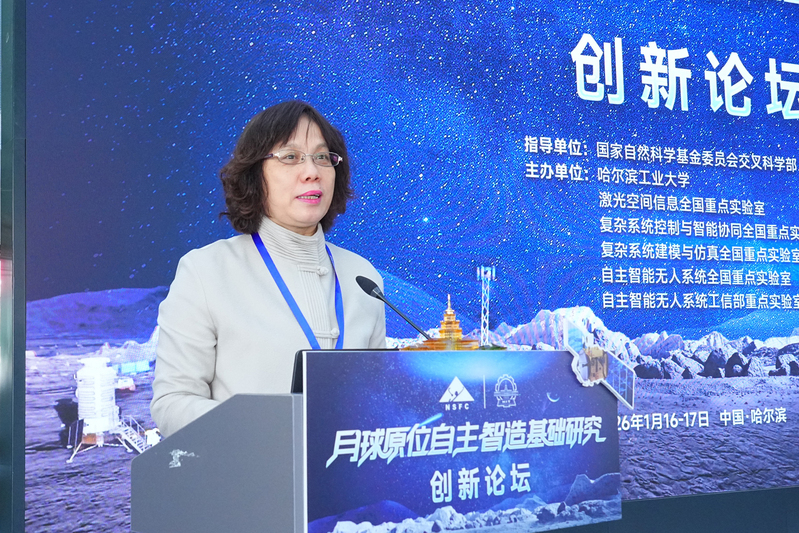
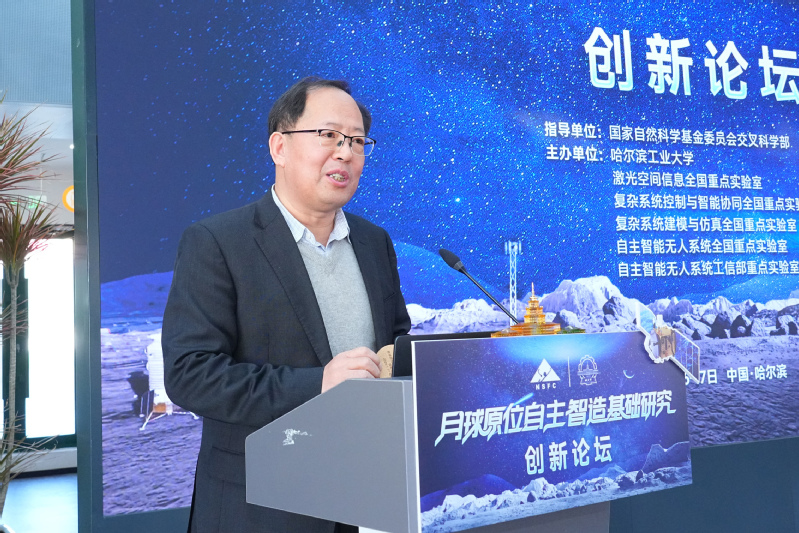
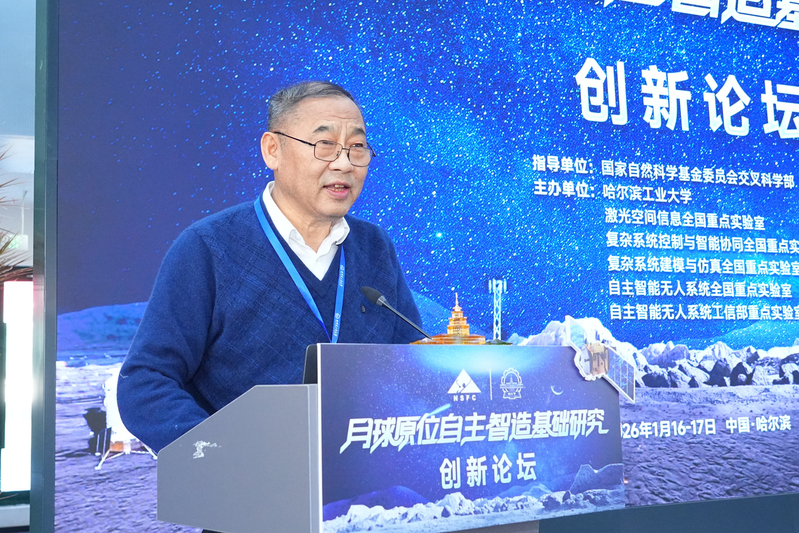
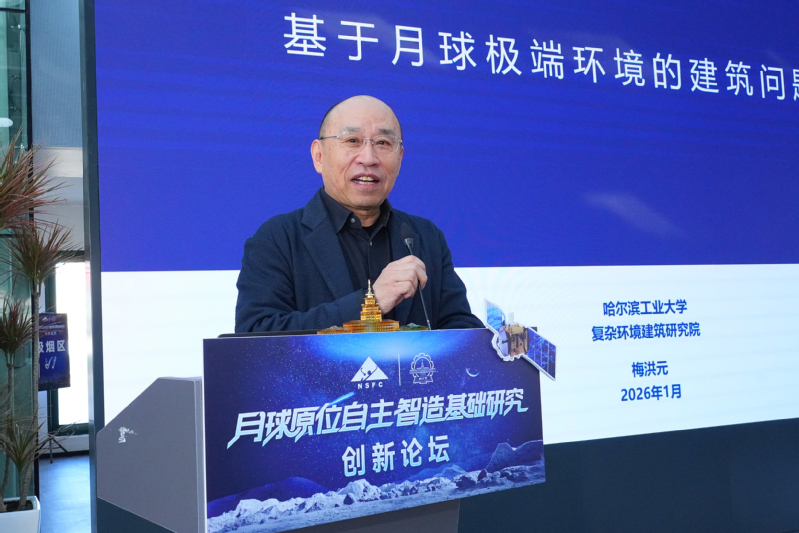
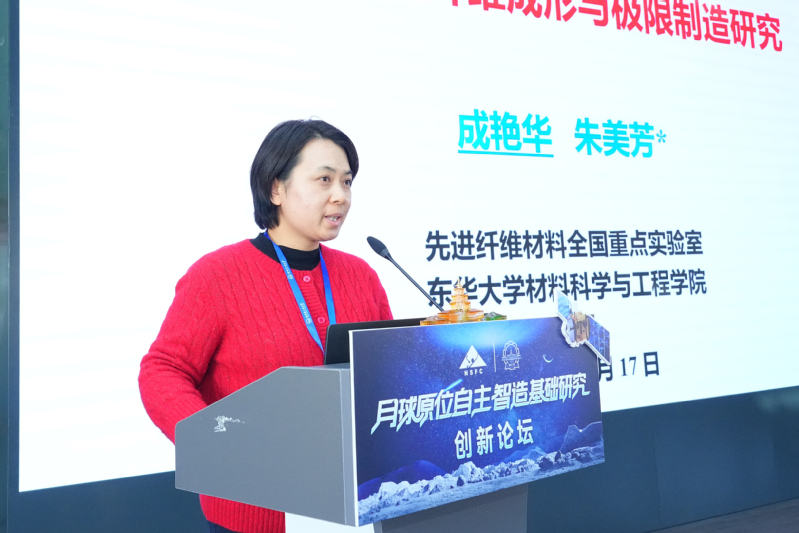
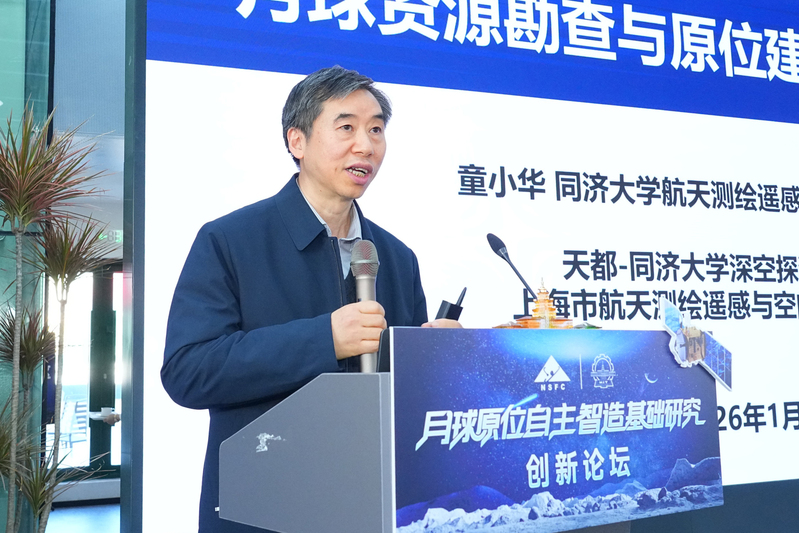
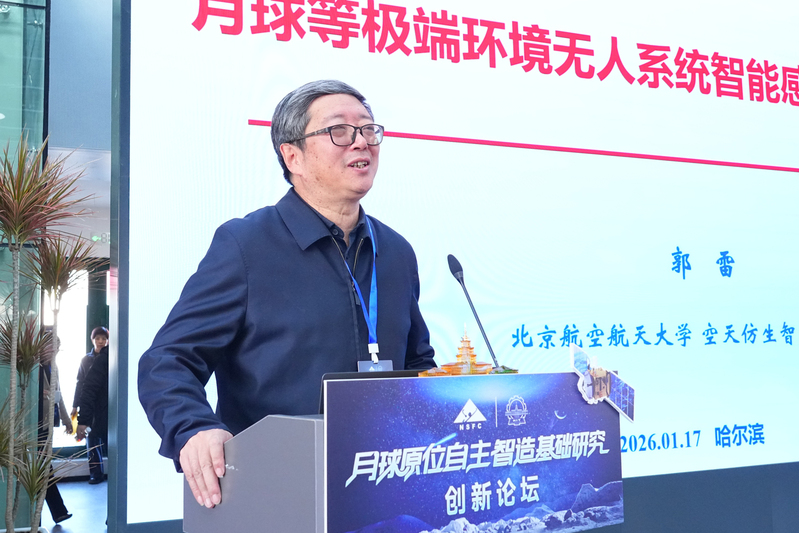
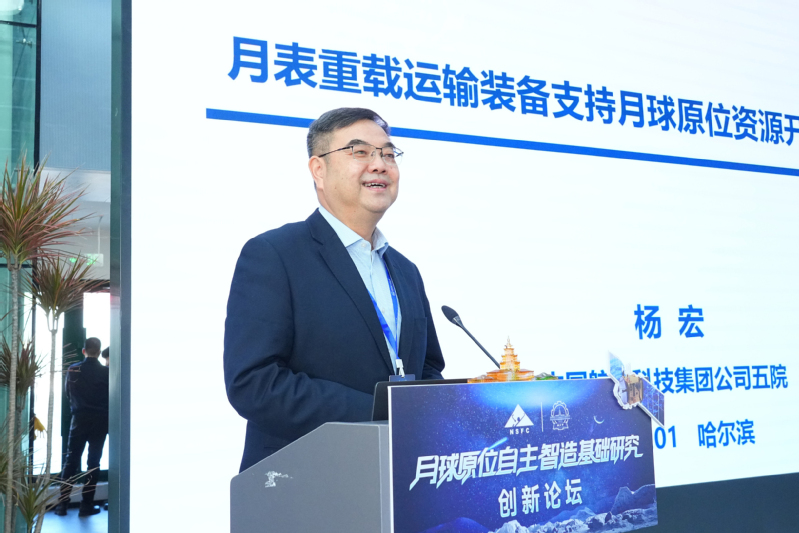
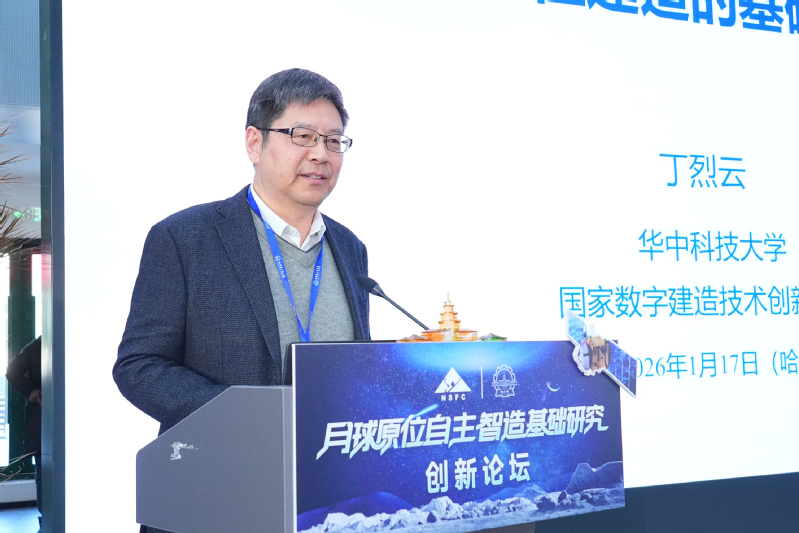 Academicians deliver keynote reports. [Photo/hit.edu.cn]
In addition to the keynote reports, the forum featured three themed sessions. Professor Jiang Shengyuan from HIT's School of Mechatronics Engineering, along with 15 experts from institutions like Tsinghua University, Xi'an Jiaotong University, and the Beijing Institute of Technology, delivered presentations, while HIT professors Wang Changhong, Wu Ligang, and Gao Huijun chaired the themed sessions.
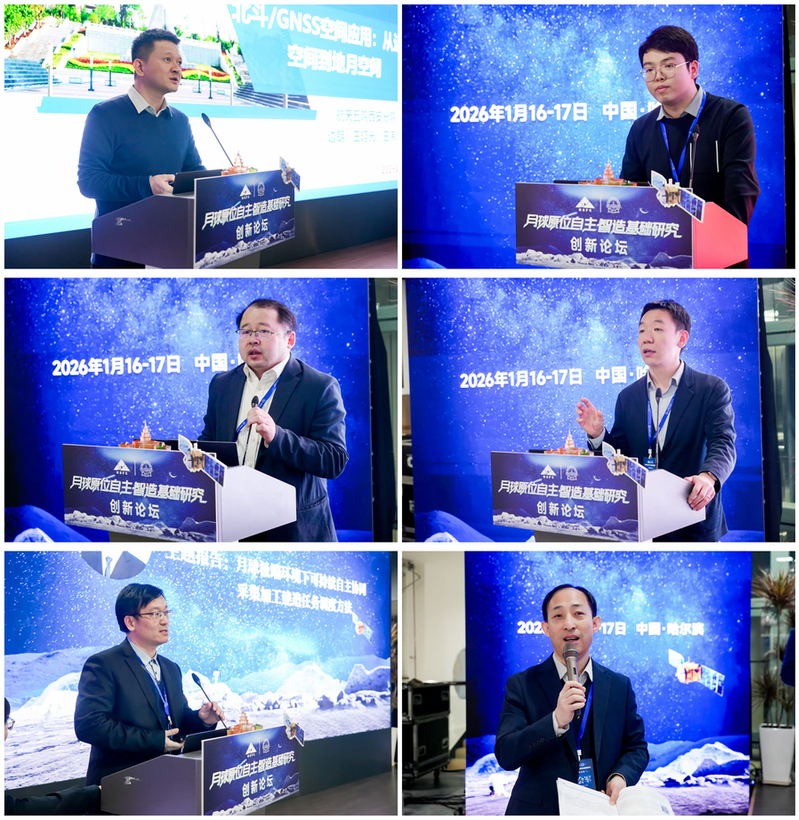
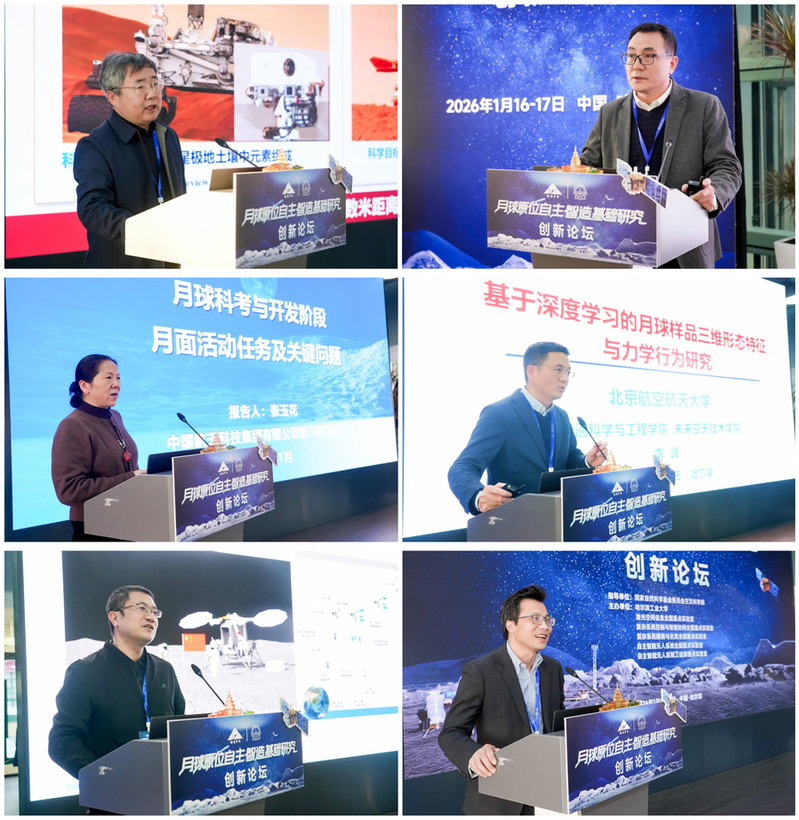
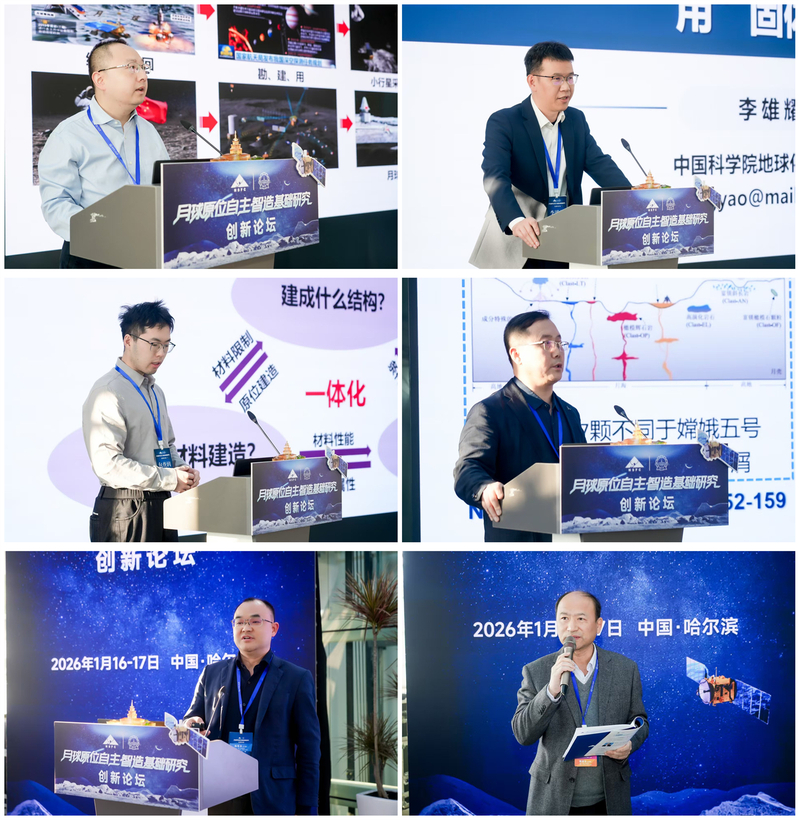 Themed forum sessions. [Photo/hit.edu.cn]
Editor: Yang Wenyu