

PhD Admissions Update |Prof. Guo Xitong's Research Group
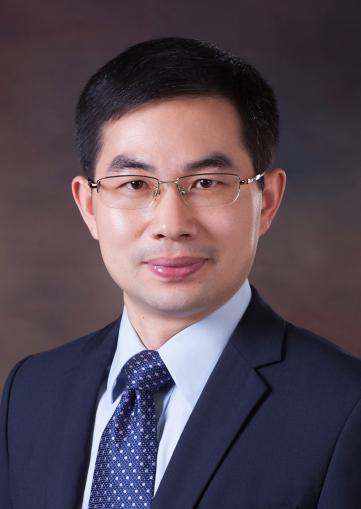
Guo Xitong is a professor and doctoral supervisor at Harbin Institute of Technology, director of the eHealth Research Institute, and leader of the Management Science and Engineering discipline. He is a recipient of the National Natural Science Foundation for Young Scientists (Class A, 2021), a National Outstanding Young Scholar (2017), a recipient of the National Natural Science Foundation for Young Scientists (Class B, 2016), and a New Century Excellent Talent of the Ministry of Education (2012). His main research interests focus on digital healthcare, big data and artificial intelligence.
He has published and accepted more than 150 academic papers in leading international academic journals and conferences such as the MIS Quarterly (MISQ), Information Systems Research (ISR), Production and Operations Management (POM), Journal of Operations Management (JOM), Journal of Management Information Systems (JMIS) and the International Conference on Information Systems (ICIS), including over 100 SCI/SSCI-indexed papers. He has been named an Elsevier Highly Cited Chinese Researcher in Management Science and Engineering from 2020 to 2025. He has presided over key projects funded by the National Natural Science Foundation of China and been awarded the Heilongjiang Youth Science and Technology Award. He serves as Associate Editor of Internet Research, Electronic Commerce Research and Applications, and Journal of Management Science and Engineering, as well as Department Editor of the Management Information Systems Section of Journal of Management Science. He acted as Associate Editor (AE) for the International Conference on Information Systems (ICIS) in 2014, 2015, 2016, 2020, 2022 and 2023, and Track Chair for ICIS in 2019 and 2024. He also served as Program Chair of the 24th International Conference on Information Systems Development (ISD) and participated in the Nobel Laureate Meeting on Economic Sciences in 2011. He has supervised doctoral graduates who hold faculty positions at prestigious Chinese '985' universitiesincluding Xi'an Jiaotong University, Nankai University and Beihang University.
Through practical collaborations with health commissions, tertiary Class A hospitals, community health centers and enterprises, he has provided digital healthcare services for more than 20 provinces and over 100 health institutions, covering disease early warning and diagnosis, chronic disease management, hospital operation management, integration of medical treatment and prevention, and collaborative prevention and treatment of specific diseases. His work has been featured in popular science programs and media including Science Future co-produced by the China Association for Science and Technology and the National Natural Science Foundation of China, China Science and Technology Network, China Popular Science Network, and Heilongjiang Daily. Relevant achievements were selected for the Outstanding Achievements Collection of the 13th Five-Year Plan (2016-2020) for projects funded by the National Natural Science Foundation of China. In 2024, he received the Heilongjiang Youth Science and Technology Award. In 2025, he was awarded the Second Prize of Heilongjiang Natural Science Award and selected for the Wu Jiapei Funding Program of the China Information Economics Society.
Main Research Directions
Digital Healthcare
Big Data and Artificial Intelligence
Team Members
Professor Doug Vogel National Distinguished Expert |
Professor Xiaofei Zhang |
Professor Zhenzhen Xie |
Associate Professor Tianshi Wu |
Associate Professor Wei Liu |
Associate Researcher Shuqing Chen |
Associate Researcher Min Zhang |
Associate Researcher Qianqian Zhang |
Associate Researcher Xinze Zhao |
Assistant Research Fellow Xinghan Wu |
Assistant Research Fellow Shanshan Bai |
Assistant Research Fellow Weiwei Sun |











Admission Information
Adhering to the educational philosophy of 'Solidarity and Excellence, On One's Own Self-confidence', the team has cultivated a total of 31 doctoral candidates and over 100 master's students. Among them, 16 doctoral graduates have joined prestigious research universities including Nankai University, Xi'an Jiaotong University, and Beihang University.
The team recruits master's and doctoral candidates. Applications from students majoring in Management Science and Engineering, Mathematics, Medicine, Computer Science, Economics, Psychology and other related disciplines are warmly welcomed. The team's research directions include:
Research direction 1: Digital Precision Healthcare
Digital precision health is an emerging approach based on individualized genetic information, environment, lifestyle and other factors to provide disease treatment plans and prevention strategies. It helps residents manage health and disease prevention. High-risk disease warning and disease risk prediction, intelligent disease diagnosis, personalized health recommendations, intelligent chronic disease health management, etc. are the main research focusesfor future research in the field of digital Precision Health. This direction is based on multi-source health data (including electronic medical records, medical images, medical signals and other data), applying data mining, image recognition, natural language processing and other technologies, empirical research and mathematical modeling methods, focusing on the profound impact of new technologies and new applications such as artificial intelligence on disease prevention, diagnosis, treatment, health management and other aspects, and promotes applications in clinical and chronic disease management.
Specific research directions include:
- Intelligent health screening for community residents
- AI-based intelligent early warning and assessment of chronic diseases
- Assisted diagnosis and treatment based on multimodal medical knowledge graphs
- Intelligent rehabilitation follow-up plans based on medical knowledge graphs
- Personalized diet and exercise recommendations based on knowledge graphs
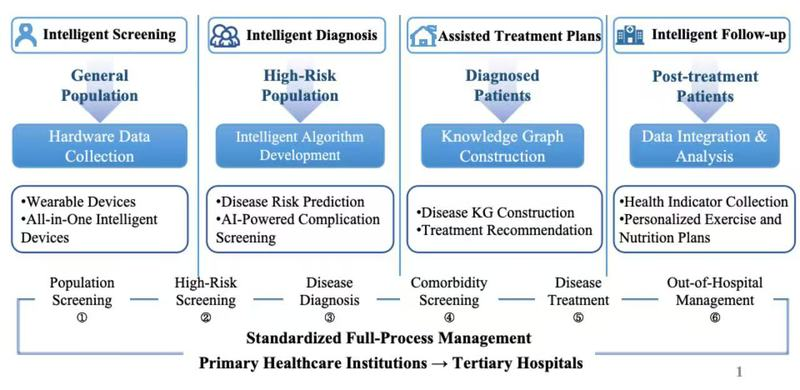
Figure 1 Digital Precision Health
Research direction 2: Digital Healthcare Theories and Methods
Digital health is driven by data as a core element and propelled by emerging information technologies such as artificial intelligence, big data, and cloud computing, fostering transformation and innovation in health management models. Within the context of building a “Healthy China” and “Digital China,” a key question is whether health management can effectively embrace digitalization, accelerate system construction, and enhance digital capabilities and service levels. This research area explores digital health theories and methods under the influence of emerging technologies. It applies interdisciplinary approaches from computer science, management, econometrics, sociology, and design science. The research aims to refine and innovate existing health theories and methods from perspectives including cognition (health literacy), behaviour (sustained health behaviour change), doctor–patient interaction (trust transfer mechanisms), and service design (personalized service design).
Specific research directions include:
- Comprehensive, life-cycle, and holistic models of digital health management
- Human–computer interaction and collaborative decision-making
- Coordination and management of healthcare service processes
- Mechanisms of sustainable value creation in digital health
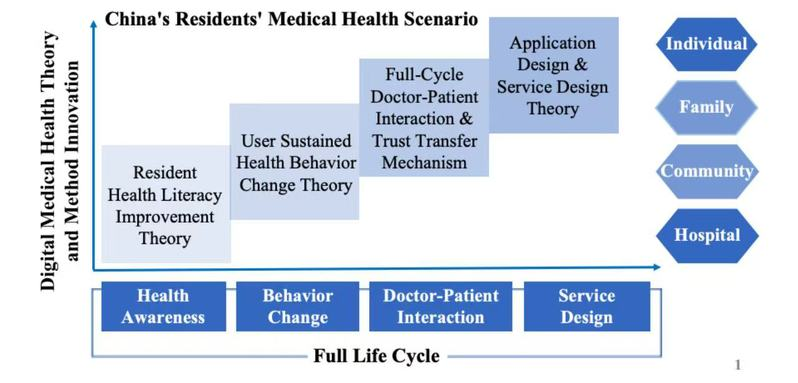
Figure 2 eHealth Service
Research direction 3: Population Healthcare System and Social Welfare
In recent years, to advance the Healthy China strategy of “universal health through shared development,” China has introduced a series of policies supporting digital health and building a population health system tailored to national conditions. This research area closely monitors emerging information technologies and recent health policies, using methods such as data mining and machine learning in combination with economic research paradigms. It investigates the impacts of relevant policies and technologies in areas such as healthcare services and health education, providing both theoretical and practical guidance for improving the Healthy China policy framework.
Specific research directions include:
- Proactive health management systems for residents
- Digitalized healthcare service ecosystems
- Optimization of healthcare resource allocation across “family–community–hospital” scenarios
- Policy impact evaluation for healthcare and health management
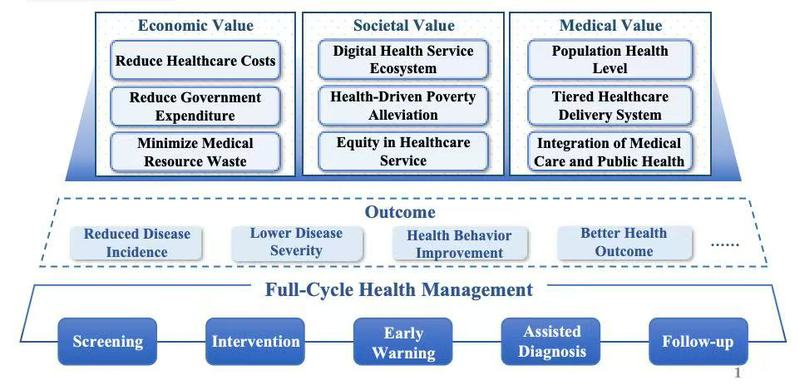
Figure 3 Population Healthcare System and Social Welfare
Cooperating Universities
The institute maintains extensive collaborations with multiple universities. It regularly invites distinguished scholars in the field to visit, engage in academic discussions and conduct cooperative research with students. The institute actively recommends doctoral candidates to study at renowned international universities for academic visits and implements joint supervision programs with overseas scholars. These institutions include Carnegie Mellon University, University of Pennsylvania, University of Texas, Southwestern Medical Center, The University of Texas at Dallas, National University of Singapore, New York University, Texas A&M University, University of Illinois, University of Maryland, City University of Hong Kong, The Hong Kong University of Science and Technology, etc.
Industrial Collaborations
The institute conducts scientific research and promotes research translation jointly with the following organizations: West China Hospital, Health Commission of Hubei Province, Health Commission of Jiangsu Province, Department of Education of Liaoning Province, the First, Second and Fourth Affiliated Hospitals of Harbin Medical University, Guangzhou First People's Hospital, Children's Hospital of Soochow University, the Second Affiliated Hospital of Guangzhou University of Chinese Medicine, the First Affiliated Hospital of Guangzhou Medical University, Heilongjiang Academy of Chinese Medical Sciences, Ningbo Hospital of Traditional Chinese Medicine, etc.
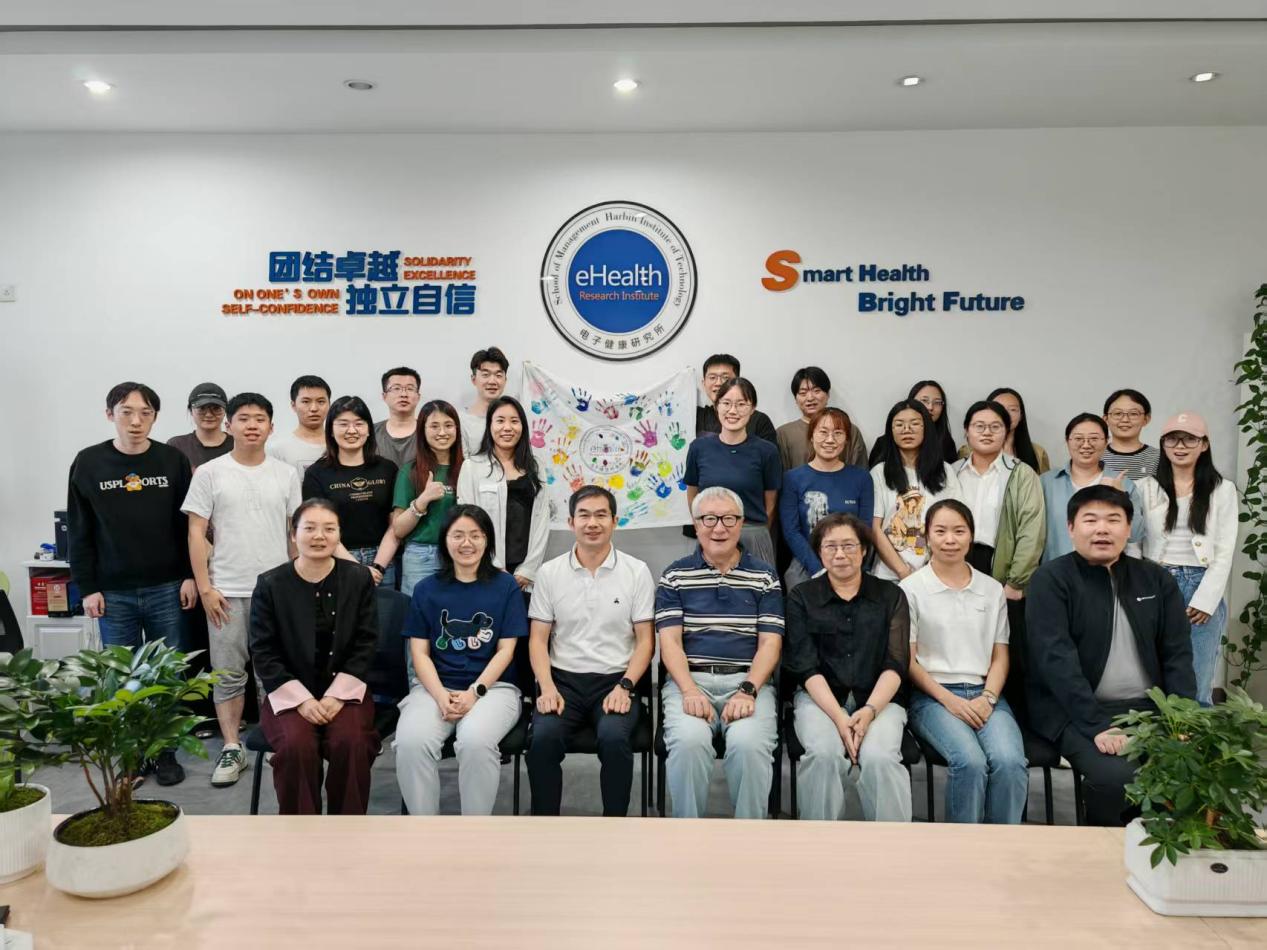
Prof. Guo Xitong's research group
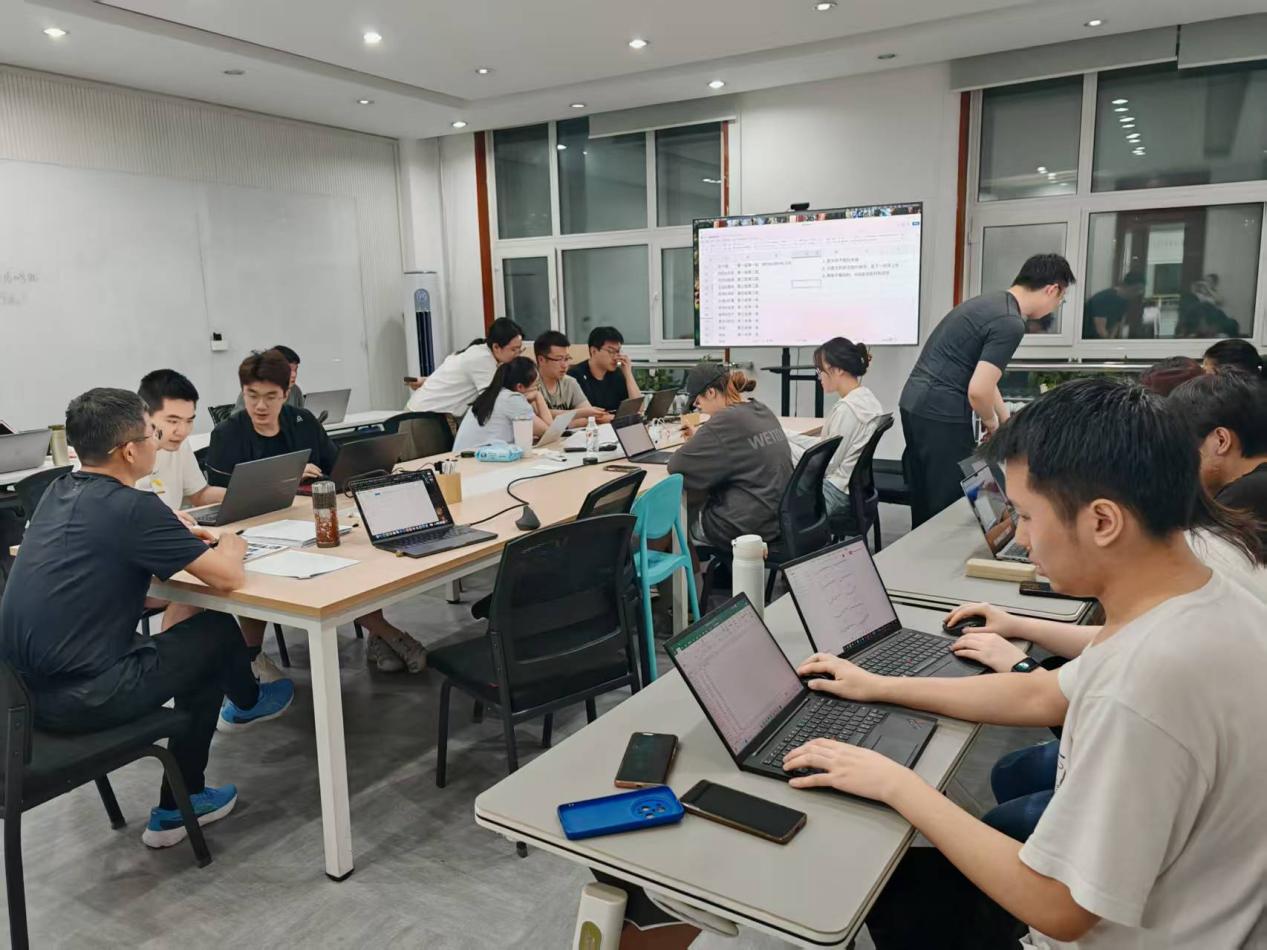
Prof. Guo Xitong's research group

Prof. Guo Xitong's research group
Contact Information
Recruitment Email: hitehealth@163.com
Professor Xitong Guo
Email: xitongguo@hit.edu.cn
Professor Zhenzhen Xie
Email: zzxie@hit.edu.cn