

PhD Admissions Update |Prof. Jian Wu's Research Group
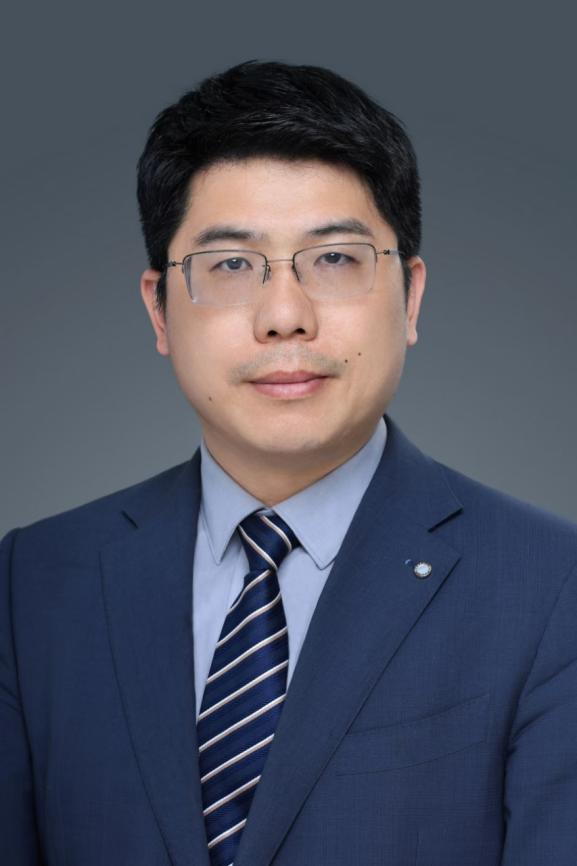
JianWu is a professor and doctoral supervisor at Harbin Institute of Technology, and a national young talent. He currently serves as the director of the Heilongjiang Provincial Key Laboratory of Micro-Nano Flow and Heat Transfer, the director of the School of Energy Science and Engineering of HIT-LG Electronics Cold Region Heat Pump Joint Laboratory, and a member of the Frontier Science Center for Space Environment and Material Interaction. He has published over 160 SCI papers and more than 10 papers in domestic journals, translated two books, obtained over 10 authorized invention patents, and has been cited over 3,600 times on Google Scholar, with an H-index of 36. He independently developed a large-scale rain and icing environment simulation system, which has been applied to key testing of domestic large aircraft. He also conducted the first aerodynamic characteristic experiment of airfoils in a simulated Martian atmospheric environment using a Mars module, filling the gap in aerodynamic ground testing for Mars spacecraft. He serves as the associate editor of Journal of Electrostatics, a member of the editorial board of Physica Scripta,young editorial board member of multiple domestic journals, a member of the Electrostatics Committee of the Chinese Physical Society, the deputy head of the Magnetohydrodynamics Group of the Fluid Mechanics Specialty Committee of the Chinese Society of Theoretical and Applied Mechanics, and a member of the Academic Committee of the Large Aircraft Airborne Ecological Environment Laboratory.
Research directions:
Facing the major strategic needs of the country (large aircraft, space station, deep space exploration) and international academic frontiers, we have formed a full-chain innovation system of 'basic research – equipment development – engineering application'.
The main directions include:
Electrohydrodynamics: multi-field coupling mechanism, electroconvection stability, and turbulence mechanism;
Special environment simulation technology and equipment: icing wind tunnel, wind-ice-snow-rain environment simulation system, Mars environment wind tunnel;
Spacecraft thermal control and micro-propulsion: space station electrothermal turbulence experiment, electrospray propulsion, electrohydrodynamic conduction pump;
Icing mechanism and anti-icing/de-icing in cold regions: icing mechanism of drones/aircraft wings, electrostatic and plasma anti-icing/de-icing technologies.
Priority enrollment directions for 2026-2027:
Heat pump technology (jointly trained with LG Electronics and Korea University, 1 person)
Development of icing wind tunnel and icing of unmanned aerial vehicles (1 person)
Electrothermal flow fundamentals and aerospace applications (jointly trained with Spain and France, 1-2 persons)
Computational fluid dynamics (aircraft flow mechanism, supercritical CO₂ pipeline transportation, 1-2 persons)
Magnetic fluid interface flow (jointly trained with Khalifa University, UAE, 1 person)
Low-temperature and superconducting magnets (trained at Suzhou Advanced Research Institute, 1-2 persons)
Advanced chip thermal control technology (trained at Suzhou Advanced Research Institute, 1 person)
Scientific Research Platform and Conditions:
Relying on the A-class disciplines of Power Engineering and Engineering Thermophysics at Harbin Institute of Technology, we have superior research conditions.
Our proprietary platforms include an internationally leading multiphysics flow and heat transfer experimental platform, a straight icing wind tunnel, and a Mars environment simulation chamber.
Large-scale scientific facilities: Leveraging the 'Space Environment Ground Simulation Facility', we can simulate extreme environments such as high vacuum, microgravity, and Martian atmosphere.
Deep cooperation: We maintain close collaboration with institutions such as the Shanghai Aircraft Design and Research Institute, the China Academy of Space Technology (CAST), the China Petroleum Exploration and Development Research Institute, LG Electronics, and Suzhou Bama Superconductor, ensuring ample funding for scientific research.
Admission Requirements:
Good moral character and physical and mental health.
Professional background: majors related to engineering thermophysics, fluid mechanics, power engineering, aerospace, control, automation, computer science, etc.
Solid foundation in mathematics and physics, as well as programming/experimental skills, with a strong interest in multiphysics numerical simulation or experimental research.
Good English reading, writing, and communication skills, and the courage to tackle cutting-edge topics.
Contact Information:
Please send your resume, transcript, and relevant materials (including research direction selection) to:
Email: jian.wu@hit.edu.cn
Homepage: https://homepage.hit.edu.cn/jianwu
Address: Room 620, Power Building, Harbin Institute of Technology, No. 92 Xidazhi Street, Nangang District, Harbin
The Multi-Physics Flow and Heat Transfer Laboratory at Harbin Institute of Technology looks forward to exploring the mysteries of flow and heat transfer with you!
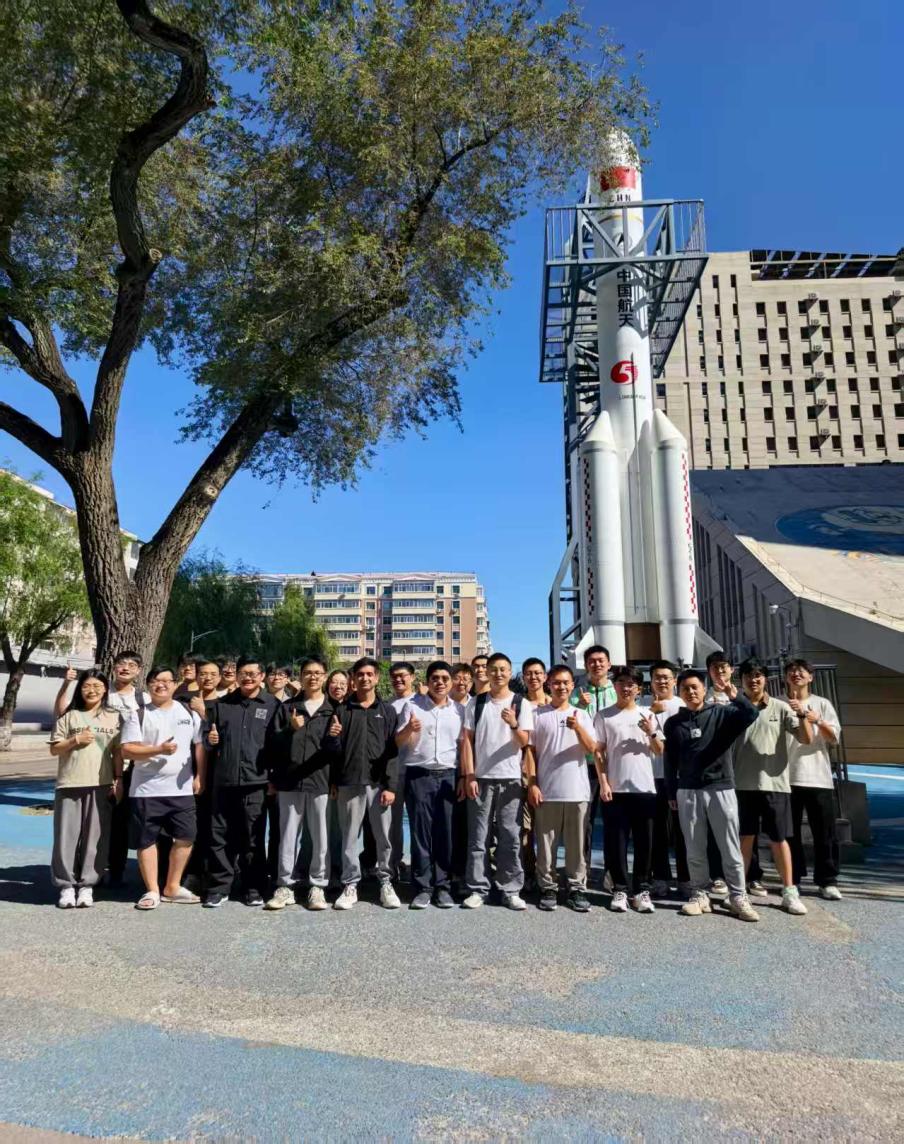
Prof. Jian Wu's research group
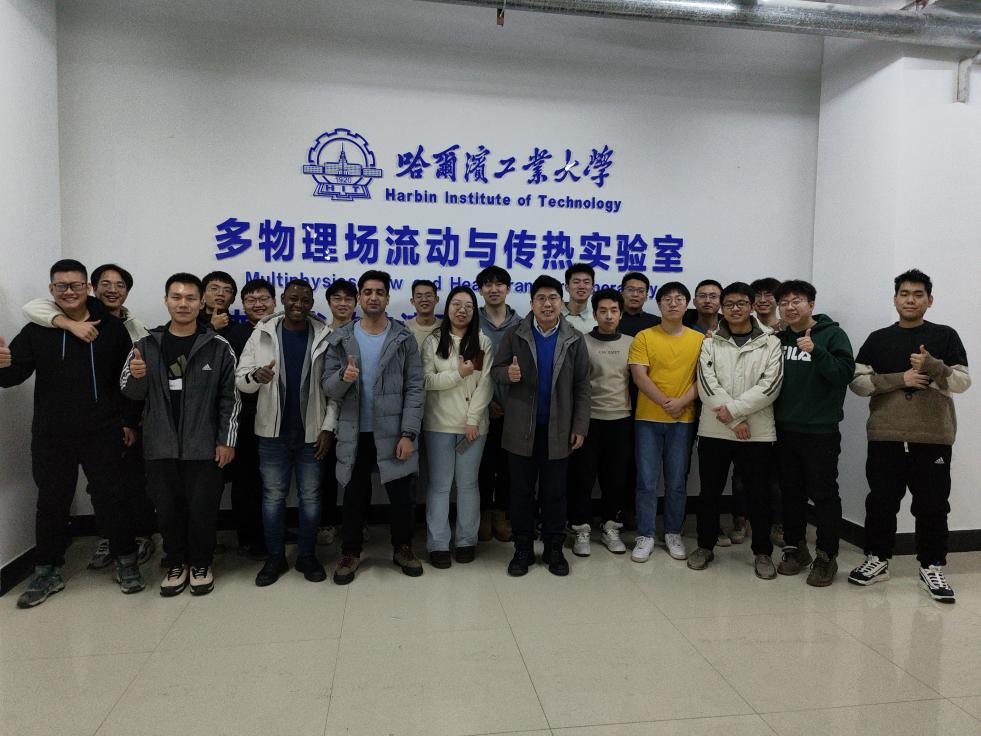
Prof. Jian Wu's research group
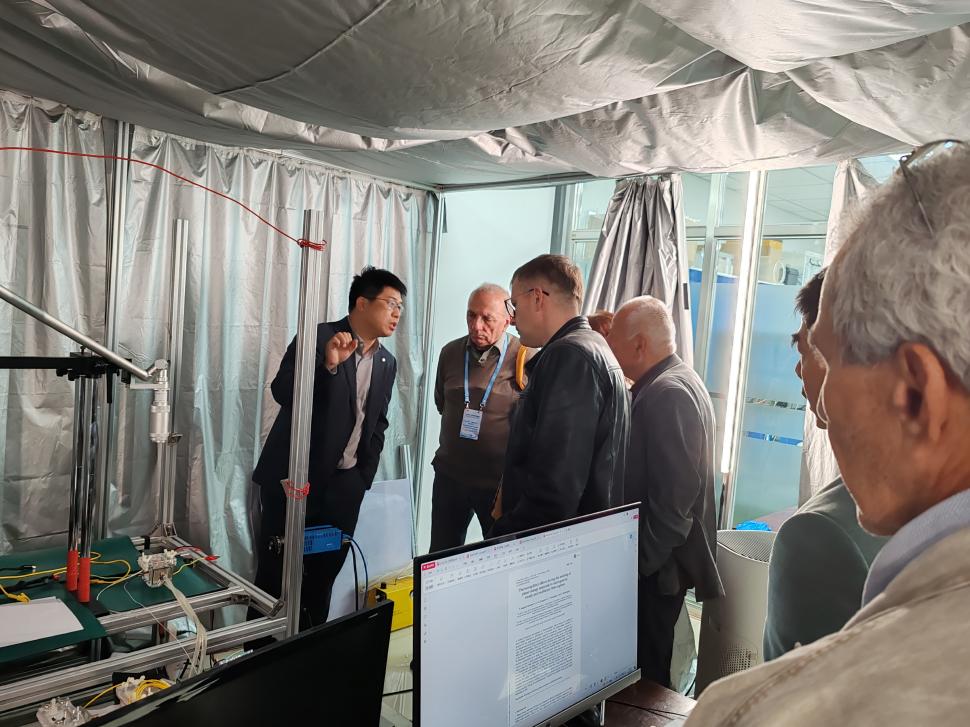
Prof. Jian Wu with foreign experts