

The inaugural Stellar Design Award Ceremony and the Stellar Design Exhibition, launched by the North Latitude 45 Design and Education Group (NLD&E 45), were recently held. The group was jointly formed by the Harbin Institute of Technology (HIT), Politecnico di Torino in Italy, and the Glasgow School of Art in the United Kingdom.
During the opening ceremony, HIT Vice-President Shuai Yong, and Mei Hongyuan, the Chinese chairman of the final jury of the inaugural Stellar Design Award and an academician from the School of Architecture and Design at HIT, delivered speeches. The foreign chairman of the final jury, Professor Christian Guellerin, honorary president of the International Association of Universities and Colleges of Art, Design and Media (Cumulus), and director of the L'École de design Nantes Atlantique in France, also delivered a speech. Designers from over 50 universities worldwide participated in the event.
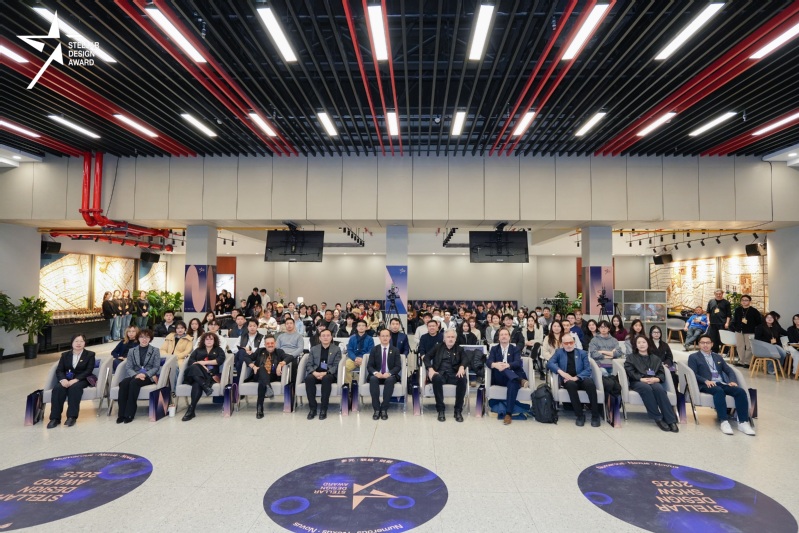
The Stellar Design Award Ceremony. [Photo/hit.edu.cn]
Shuai expressed hope that this platform would connect universities at home and abroad, promoting the deep integration of industry, academia, research, and application. He envisions the Stellar Design Award as an international brand that inspires creativity, fosters global dialogue, and bridges the present with the future, contributing to the development of design in both China and around the world.
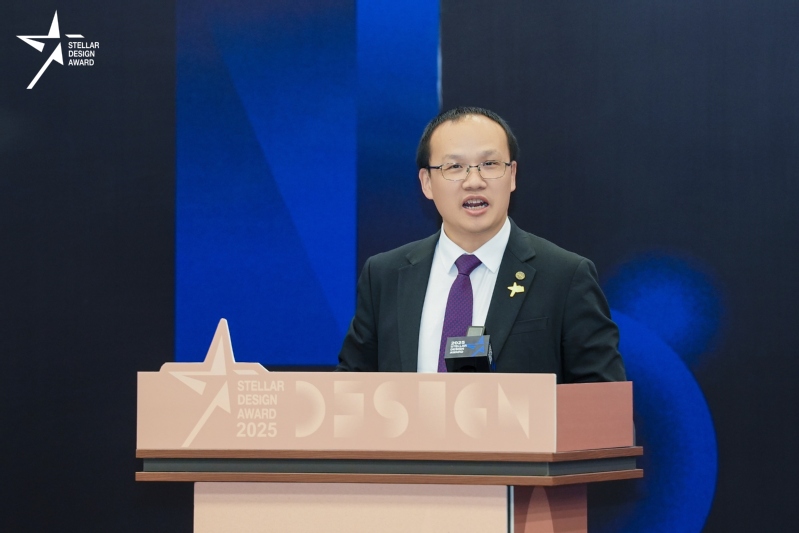
Shuai Yong delivers a speech. [Photo/hit.edu.cn]
Mei stated that the establishment of NLD&E 45 and the launch of the Stellar Design Award aim to create a premier stage that showcases global design influence, supporting the growth of young designers.
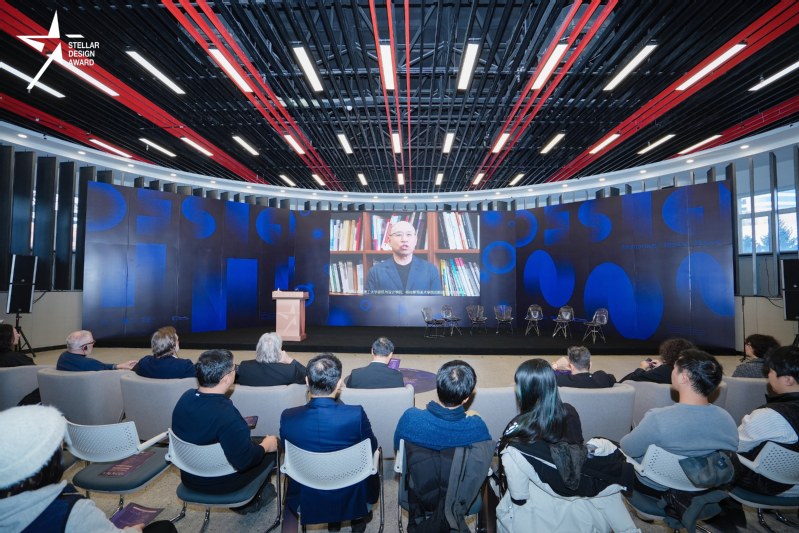
Mei Hongyuan delivers a video speech. [Photo/hit.edu.cn]
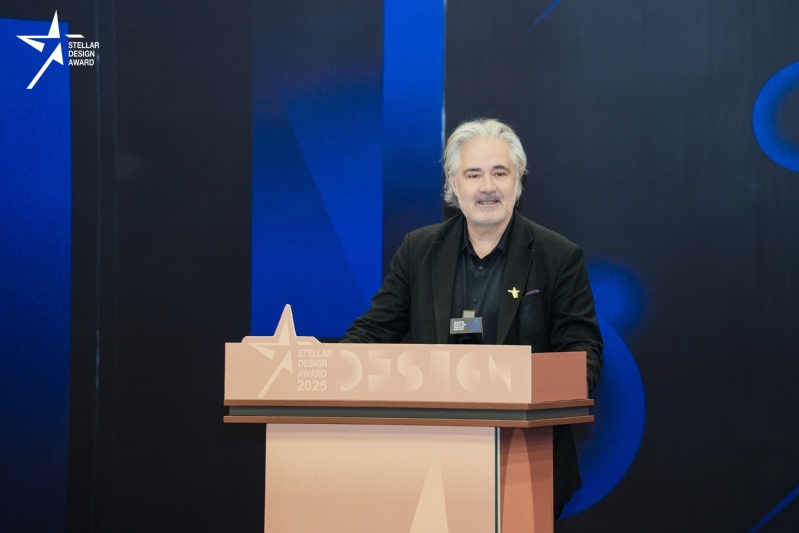
Christian Guellerin delivers a keynote speech. [Photo/hit.edu.cn]
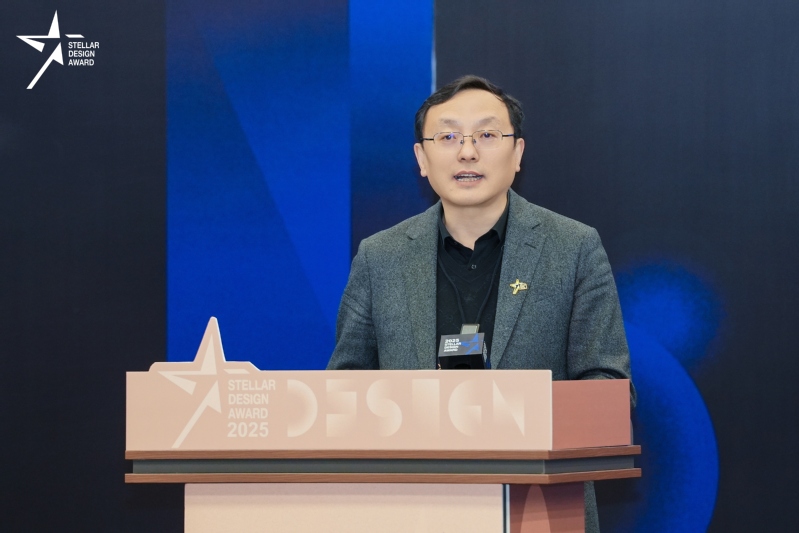
Sun Cheng, co-initiator of NLD&E 45 and dean of the School of Architecture and Design at HIT, delivers a keynote report. [Photo/hit.edu.cn]
The competition positions design at the intersection of the environment, society, and the economy. It promotes transcending disciplinary boundaries and advancing collaboration across industries and academic fields.
The competition focuses on four key directions: Climate Adaptation (design solutions addressing climate change), Cultural Heritage (contemporary reinterpretation and revitalization of cultural heritage), Circular Regeneration (full life-cycle circular design systems), and Eco-Intelligence (integrating intelligent technologies with ecological protection).
The competition accepted entries in three main categories: Spatial Design, Product Design, and Digital (Smart) Media. A total of 907 entries were received from around the world, with multiple rounds of judging resulting in the selection of nine gold awards, 15 silver awards, and 45 finalist awards. HIT won three gold awards, four silver awards, and 11 finalist awards.
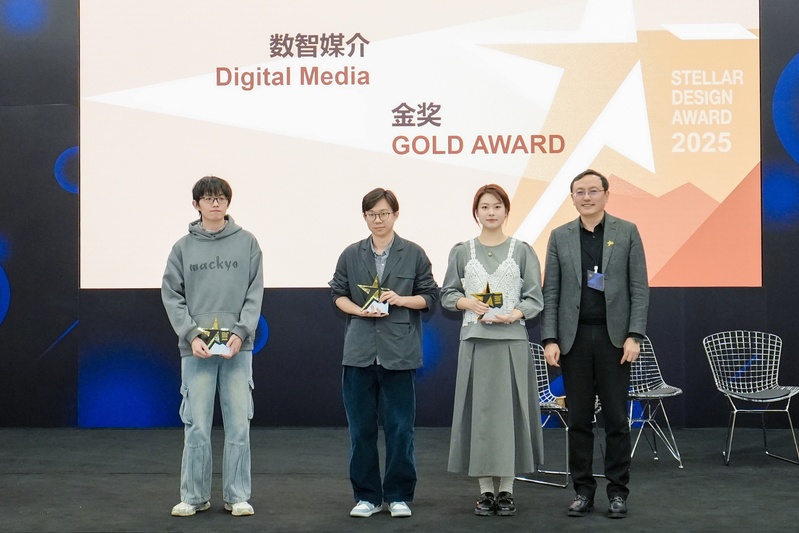
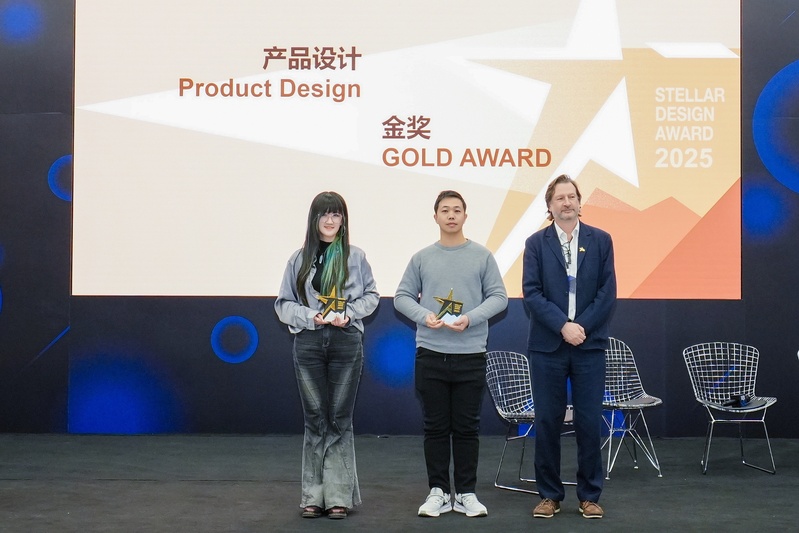
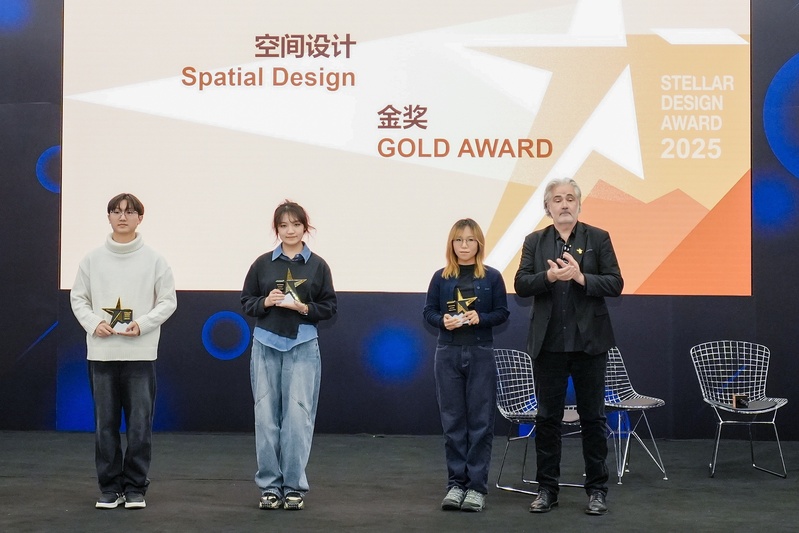
The gold award winners ceremony. [Photo/hit.edu.cn]
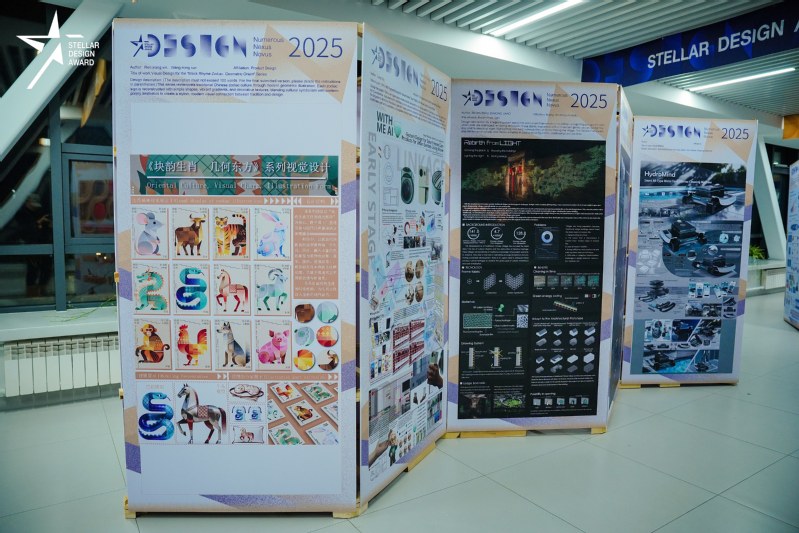
The Stellar Design Exhibition. [Photo/hit.edu.cn]
Editor: Yang Wenyu