

The 2nd International Conference on Climate Leadership, co-hosted by Harbin Institute of Technology (HIT), University College London, and the Chinese Economic Association in the UK/Europe, was held at HIT from July 18 to 20.
Over 300 participants attended the conference, including experts and scholars from 111 universities across 23 countries and regions, as well as representatives from international organizations such as the United Nations Development Programme (UNDP), corporate delegates, representatives of authoritative academic journals both at home and abroad, and more than 300 HIT faculty and students.
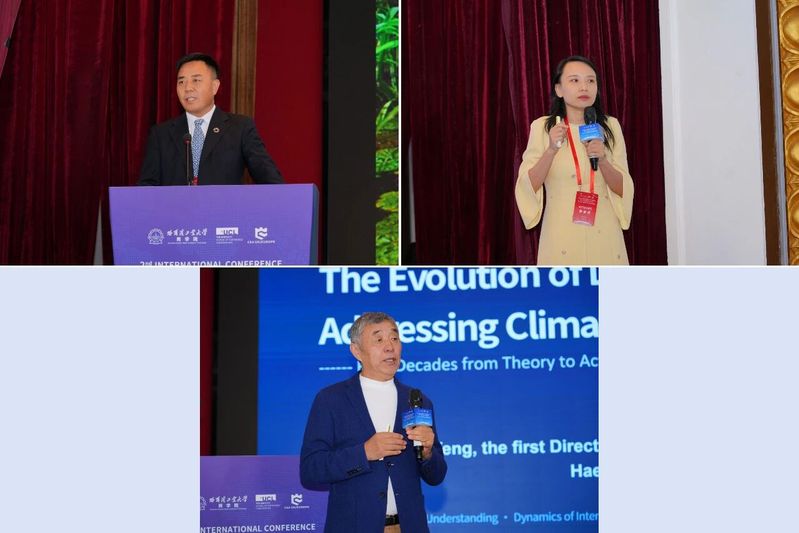
Liu Yanhui, deputy secretary of the HIT Party Committee and secretary of the Commission for Discipline Inspection, delivered an address at the opening ceremony. The conference also launched the Climate Leadership Initiative.
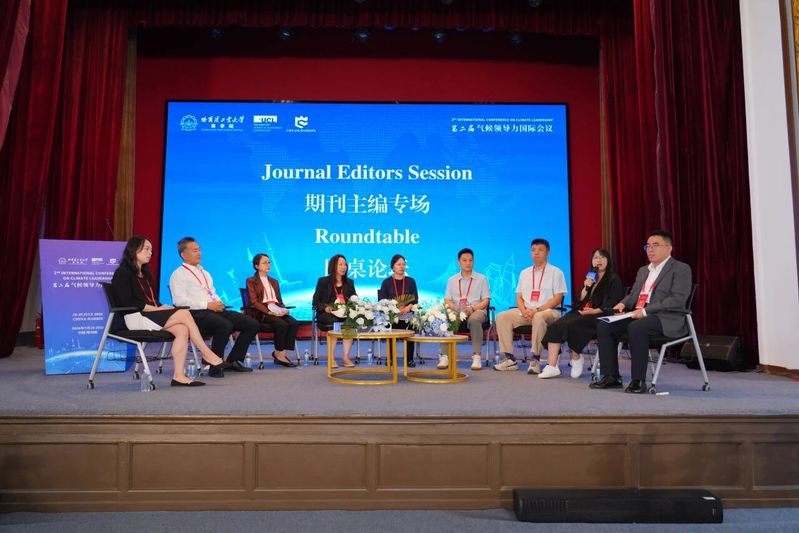
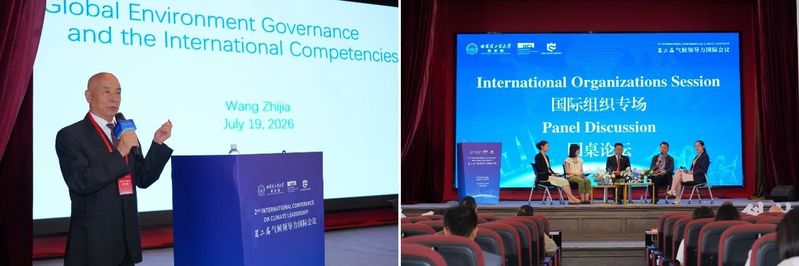
The following scholars and experts delivered keynote speeches: Rosalie L. Tung, a fellow of the Royal Society of Canada; Bai Xuemei, a fellow of the Academy of the Social Sciences in Australia; Richard S.J. Tol, a member of the European Academy of Sciences; Gbenga Ibikunle, a fellow of the Royal Society of Edinburgh; Marc Gruber, former editor-in-chief of the Academy of Management Journal; Ruben Enikolopov, editor-in-chief of the Review of Economic Studies; Wang Zhijia, former deputy director of the Regional Cooperation Division at the UN Environment Programme; Li Junfeng, executive director of the China Energy Research Society; and Ma Chaode, assistant resident representative of UNDP China. Yu Gang, a fellow of Engineering New Zealand, and Mi Zhi, a member of the European Academy of Sciences, also attended the conference. Ma Tao, dean of the HIT Business School, presided over the opening ceremony.
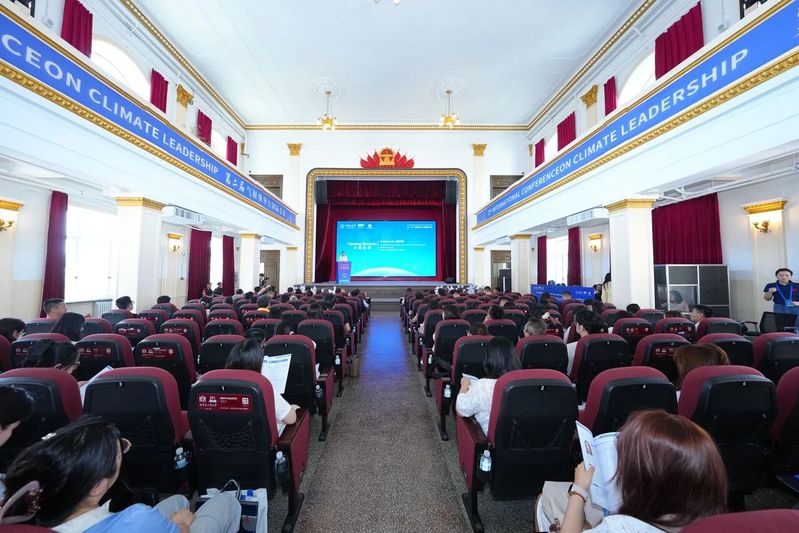
The conference takes place. [Photo/hit.edu.cn]
Liu stated that the conference not only serves as a high-level international exchange platform for global climate governance, but also provides strong intellectual support for deepening international climate cooperation, promoting regional climate action, and fostering green and low-carbon technological innovation. He expressed a desire to continue working hand in hand with global partners, building consensus through academic platforms, laying solid foundations through talent cultivation, and driving transformation through cross-sectoral collaboration, thereby contributing more Chinese wisdom and Chinese solutions to global ecological governance.
At the conference, Liu announced the Climate Leadership Initiative, a joint proposal by HIT and UNDP that calls on all parties to work together to build an international cooperation network for climate leadership, strengthen collaborative innovation in climate technology, and contribute to global climate governance and the common well-being of humanity.
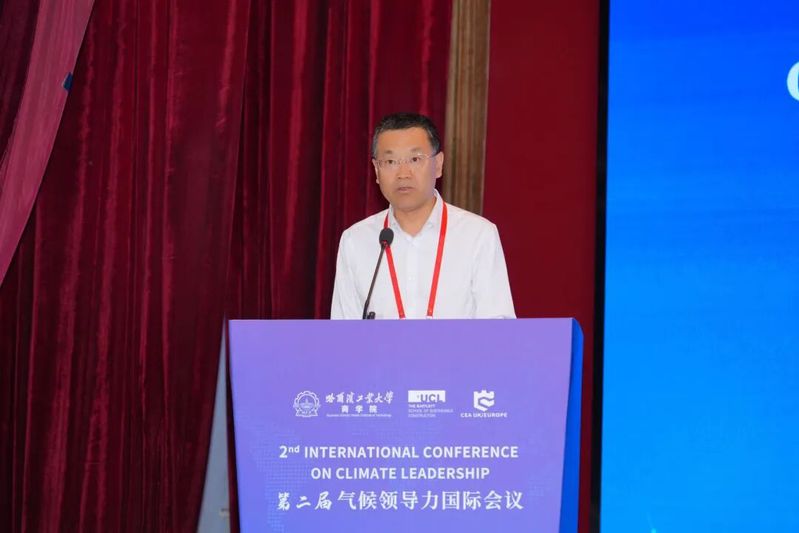 Liu Yanhui delivers an address. [Photo/hit.edu.cn]
The conference served as a high-level interdisciplinary and cross-sector platform for global scholars, policymakers, industry leaders, and young talent to explore the critical role of climate leadership across different levels, sectors, and regions.
The conference featured six parallel workshops, where participants engaged in discussions on topics such as the theory and evolution of climate leadership, corporate climate strategy and sustainable business, and the economics and policy of climate change. Multiple academic consensuses were reached, and several tentative cooperation agreements were signed. Shen Chao, deputy director of the Foreign Affairs Office of HIT's International Cooperation Department, presided over the closing ceremony.
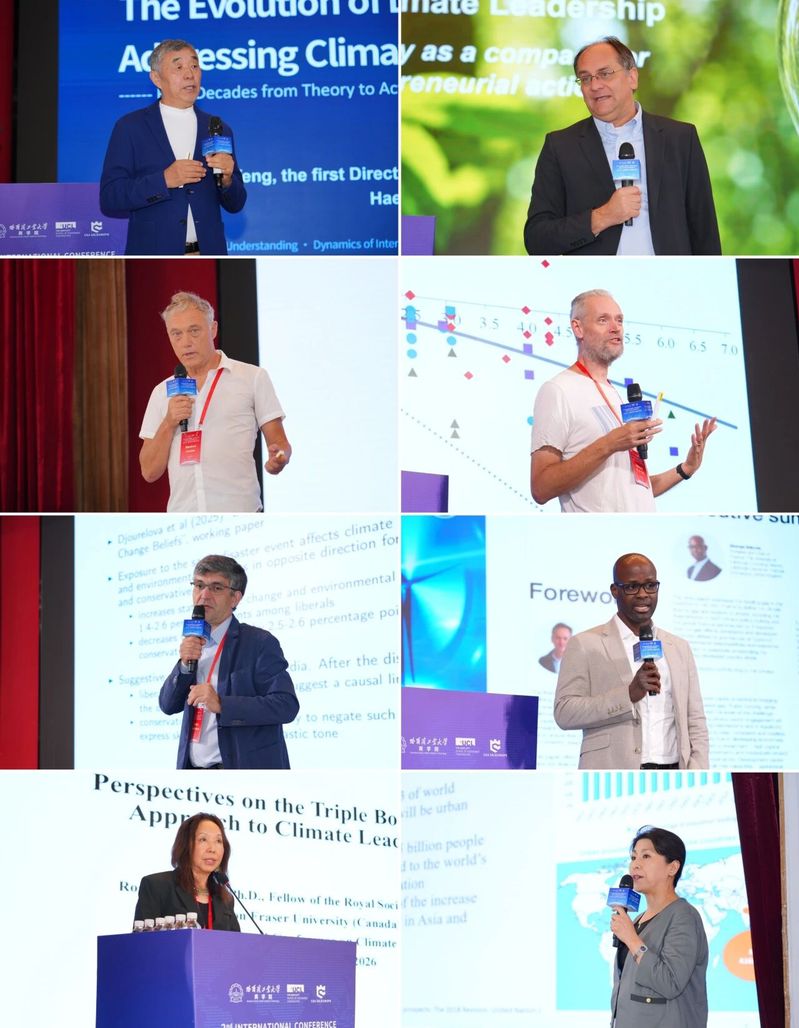 Experts deliver keynote speeches. [Photo/hit.edu.cn]
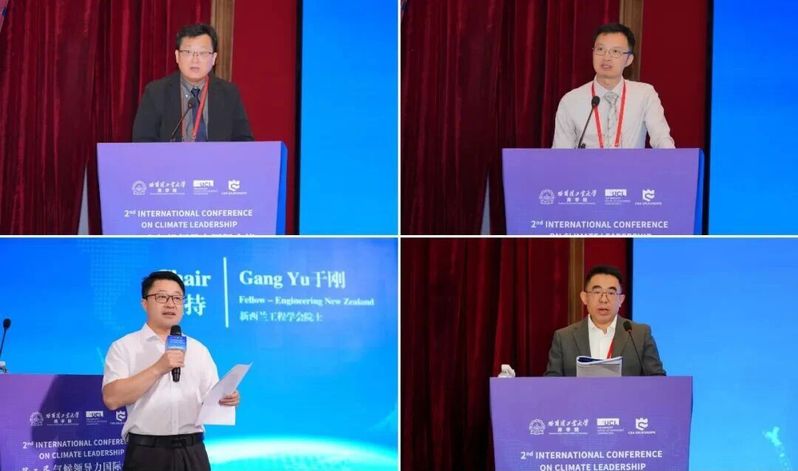
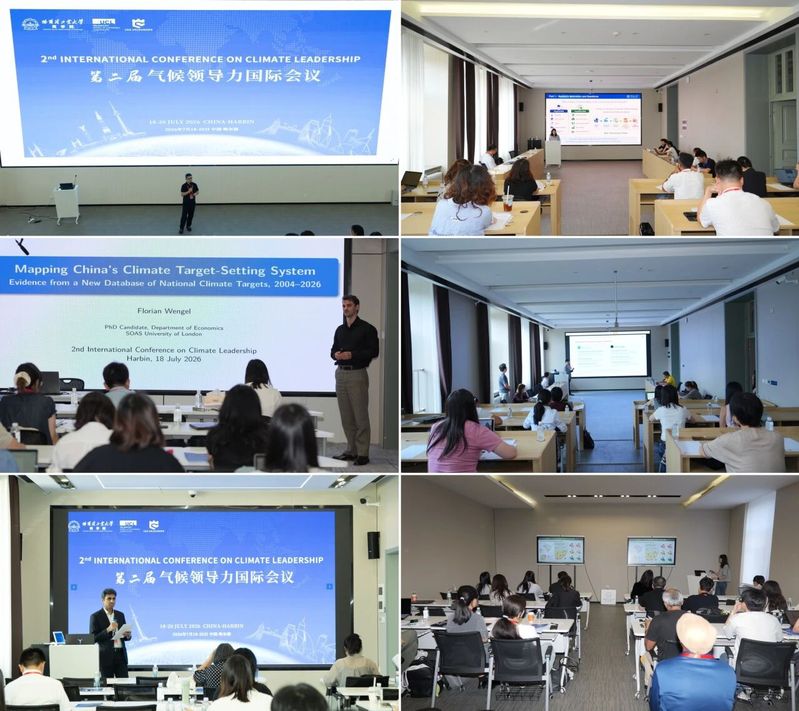
Parallel workshops take place. [Photo/hit.edu.cn]
The conference received over 400 submissions from home and abroad. After review by the academic committee, 10 Best Paper Awards and six Best Poster Awards were granted, with HIT winning two Best Paper Awards.
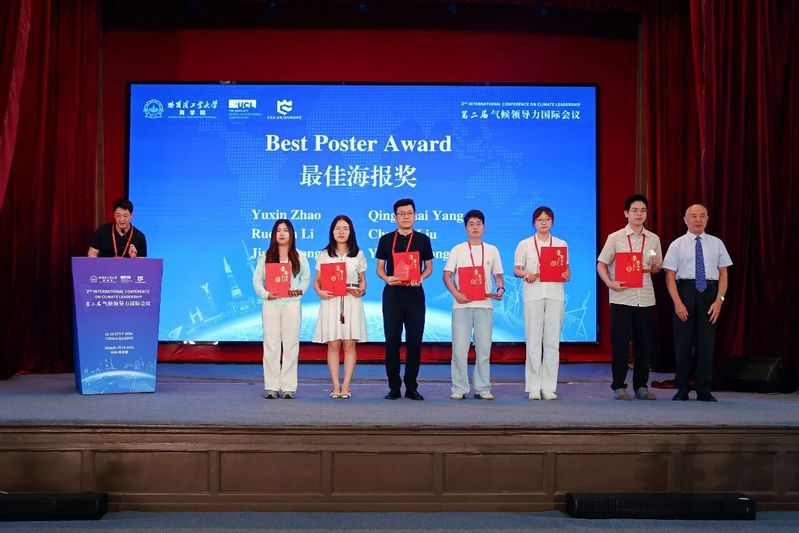
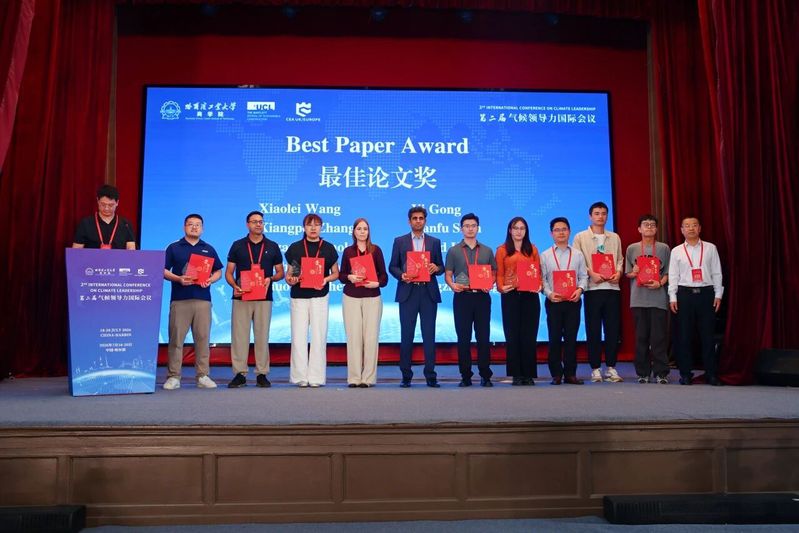
The award ceremony takes place. [Photo/hit.edu.cn]
Editor: Yang Wemyu